
Most people start with medical detox and step down to residential treatment in the same home.
Call (855) 627-3422 →Private · No cost to call · Day or night
In danger right now? Call 911. Thinking about suicide? Call or text 988.
With residential treatment, you move into the program for a while and do the work of recovery there. You get therapy, groups, rest and good meals, with staff in the house day and night. At New Beginnings, residential treatment happens in a real home with no more than six adults, often right after detox under the same roof.
Can't talk right now? Request a callback · See a day here
4.8★★★★★Rated 4.8 out of 5 from 17 Google reviews · Read them on Google ↗
Licensed by the State Department of Health Care Services · License 191315AP · Expires 4/30/2028
As a form of addiction treatment, residential care means you live in the house for the length of your stay. Your days have a steady rhythm: therapy, groups, meals, quiet time and sleep. Staff are awake and on site around the clock, so help is never far away.
Living here takes you out of the places and routines that kept the cycle going. That space gives you room to learn why you use, practice new ways to cope, and build a plan for life after. Many people come to residential treatment after medical detox, which happens in this same house.
Residential vs. outpatient, side by side
Typical length of residential care: NIDA, treatment overview. What each level of care means: The ASAM Criteria. Search licensed programs of every level on FindTreatment.gov, run by SAMHSA.
Four quick questions. Answer for yourself or for someone you love. Nothing is saved or sent.
Right now: chest pain, trouble breathing, confusion, or thoughts of suicide?
If you stopped today, would you get shaky, sweaty or sick?
Have weekly therapy, outpatient care or quitting on your own not been enough?
Is home a hard place to stay sober right now, with people using, stress or no support?
Your answer
Answer the four questions.
Your result shows up here as you go.
Emergency
Call 911 now.
For thoughts of suicide, call or text 988. Get safe first, then call us about treatment.
Call 911Detox first, then residential
Start with medical detox.
Those are signs of withdrawal. Detox comes first. Once you're steady, you move into residential treatment without changing houses or teams.
About medical detoxResidential treatment fits
A live-in program may help.
When past tries didn't hold or home works against you, living in a supportive house can make the difference. Call us and we'll look at fit, bed availability and your benefits.
Call (855) 627-3422Or check my coverage first →Let's talk it through
A lighter level may fit.
Outpatient care or a therapist might be enough to start. We don't offer those, but call anyway, and we'll help you find good options.
Call (855) 627-3422Not a diagnosis. A clinician decides the right level of care with you.
Structure is part of the care. Tap a time of day to see what usually happens. This is a sample to show the rhythm. Your own schedule comes from your treatment plan, and groups change week to week.
Why it helps: a steady start can lower stress and make cravings easier to ride out.
Why it helps: private sessions are where the deeper causes come up, like trauma, grief or anxiety.
Why it helps: hearing others name what you feel can ease the shame that keeps people stuck.
Why it helps: evenings are often when old routines pull hardest. Here, you're not alone with them.
Why it helps: sleep often gets better when you feel safe.
Therapy is led by our clinical director, Mehrnaz Ravanbakhsh. She's licensed in California as a marriage and family therapist (LMFT). She blends proven methods and fits them to you. Tap a card to see what it looks like in a session.
What sessions feel like
Learn more: CBT and behavioral therapies (NIDA) · DBT for substance use (Dimeff & Linehan, NIH PubMed Central) · Relapse prevention (Larimer, Palmer & Marlatt, NIH PubMed Central) · Motivational interviewing (SAMHSA TIP 35)
Next05Mental healthMany people living with a substance use disorder have a mental health condition too. SAMHSA's 2024 national survey counted about 21.2 million U.S. adults with both. Each one can make the other worse. When only one gets treated, the other often pulls a person back. That's why both are part of your plan from the first week.
In residential treatment here, your therapist looks at what's under the use. That might be anxiety, low mood, grief or trauma. Our medical director checks your health and the medicines you take. Learn more about dual diagnosis treatment and our mental health services.
Sources: SAMHSA: co-occurring disorders · NIMH: substance use and co-occurring mental disorders
Treat bothto break the loop
If someone is in a mental health crisis, like psychosis or danger of suicide, the safest first step is a hospital or crisis team. Call 911, or call or text 988.
Next06Your care teamThe house never holds more than six adults. In a home this size, staff notice the small changes: a bad night, a quiet day, a win worth naming.
Never more than six residentsMen and women, 18 and older
Clinical Director & Therapist. Leads your therapy. Trained in CBT, DBT and motivational interviewing. CA license LMFT 149472.
Medical Director. Oversees your health and any medicines you take.
Program Director. Runs the house and the daily schedule.
Case manager. Helps with work and family needs and refers you to what's next.
Our nurse. Keeps an eye on your health during your stay.
Our chef. Cooks the meals you eat in the house.
Registered Alcohol and Drug Technicians. They do the hourly checks.
The most important person on the team. Your goals set the plan.
Meet the whole team → · Our story →
Next07FamiliesSubstance use touches the whole family. Here's how loved ones can stay close while the work gets done.
You don't need their permission to ask questions. Call admissions and we'll explain how residential treatment works and how insurance works here.
Visits begin after detox and are set up with staff ahead of time. We share updates only with the people your loved one names in writing.
Groups like Al-Anon and Nar-Anon help families heal, whatever happens next.
Why the written consent? Federal law (42 CFR Part 2) protects treatment records more strictly than most health records. See our Notice of Privacy Practices.
Next08Living hereThis is the house where residential treatment happens. No wards, no long hallways. Just a quiet street, a kitchen that smells like dinner, and a patio for fresh air.
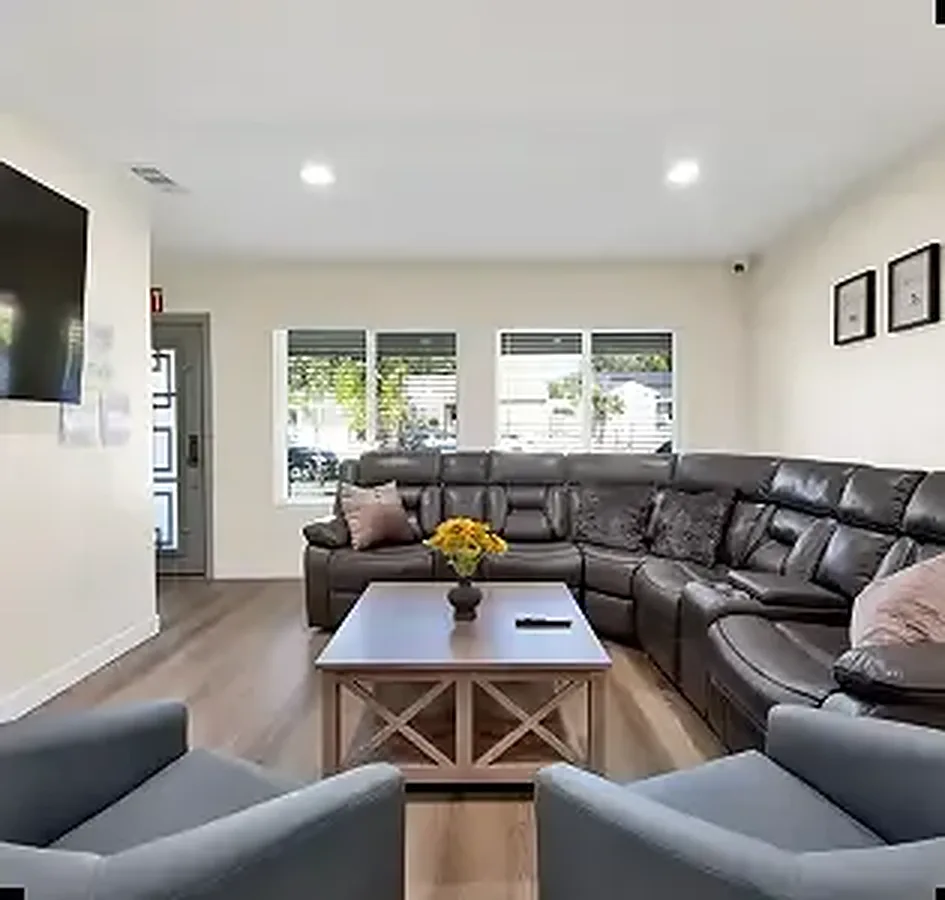
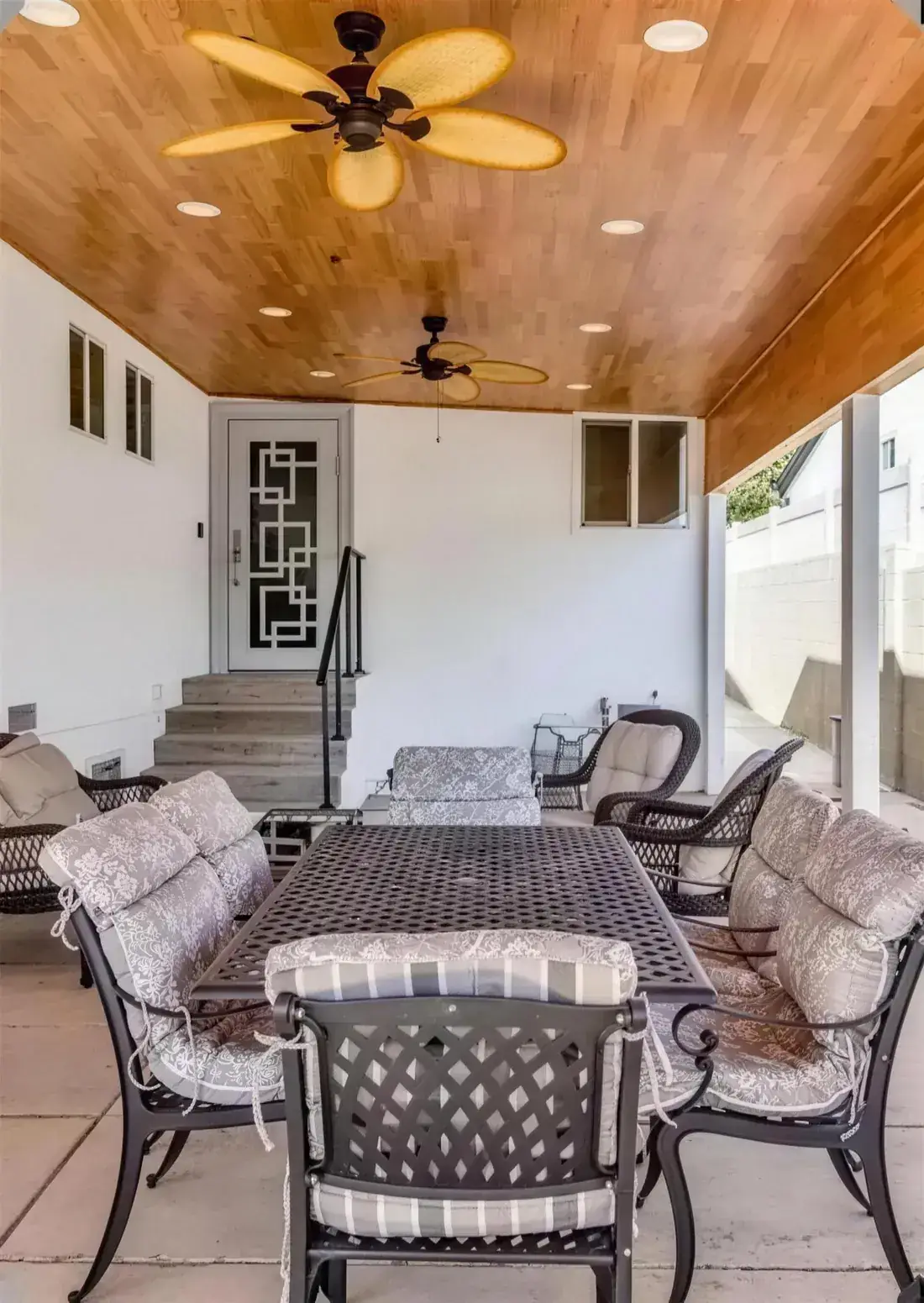
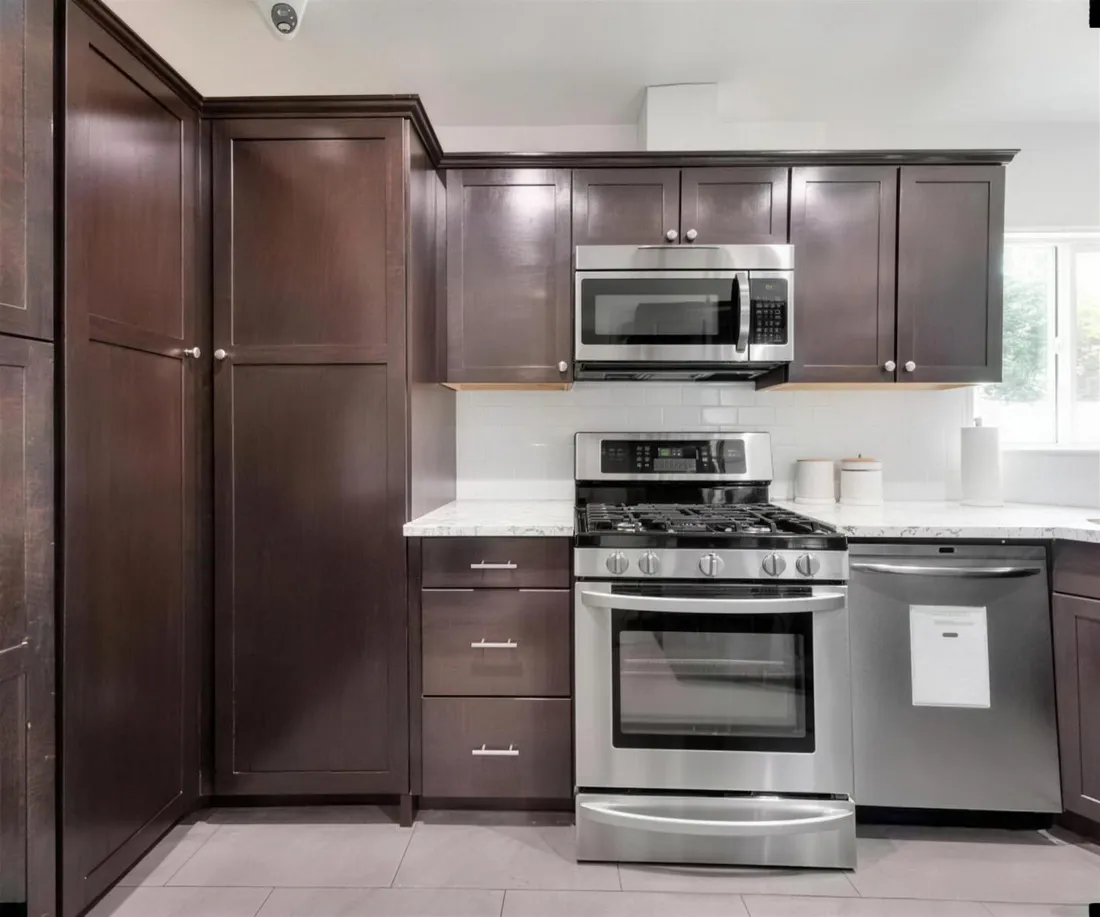
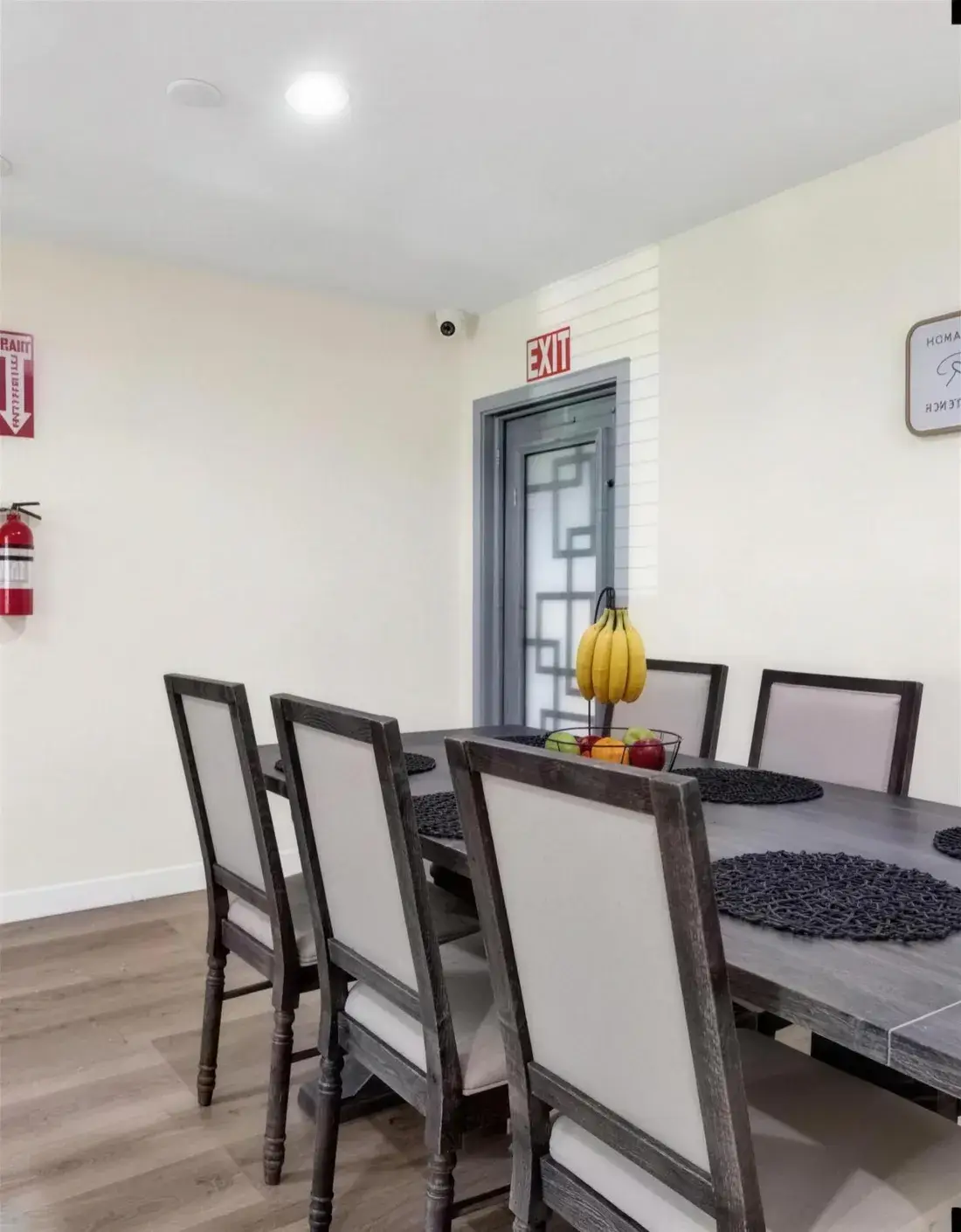
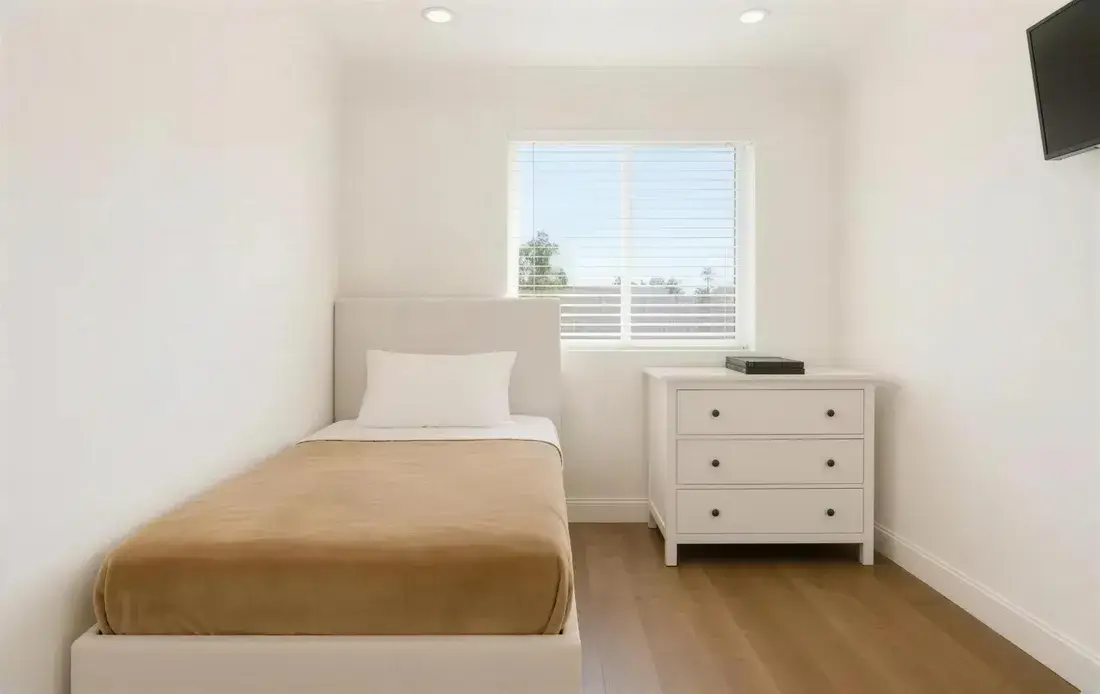
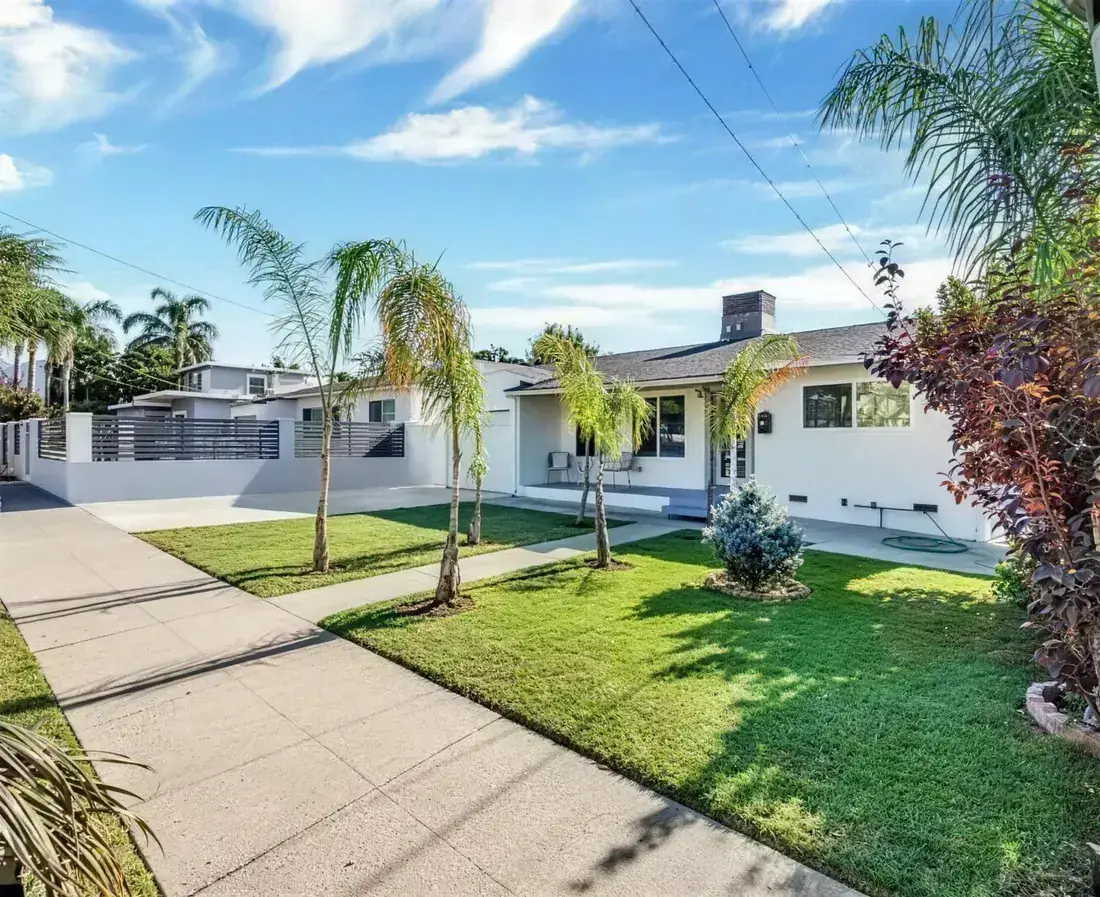
Your phone goes into safe storage when you arrive and stays there through your stay. Work calls can be set up ahead of time if your job requires it. Need a number from it? A staff member helps you find it, and you call from the landline.
Up to six residents, all adults, both men and women. Everyone here is working on the same thing you are.
A photo ID, your insurance card, and all current medicines in their pharmacy bottles. Around seven days of easy-to-wash clothes, plus important numbers written down. Please don't bring alcohol, drugs, weapons, valuables or much cash.
Our chef cooks in the house kitchen. Tell us about allergies or diet needs on the first call.
Yes. Treatment here is voluntary. We'll ask you to talk with staff first, so we can help you leave as safely as possible and know where you're going.
13992 Aztec St, Sylmar, CA 91342. That's the northeast San Fernando Valley, near the 5, 210 and 14 freeways. Get directions.
Withdrawal care comes first when your body needs it.
Medical detox →Therapy, groups and a daily routine while you live in the house.
This pageOutpatient care, a day program, sober living or a therapist. Our case manager sets up the referral before you leave.
Aftercare planning →A good plan answers four questions
Why a return to use isn't failure: NIDA says relapse rates for substance use disorders are like those for other long-term conditions, such as high blood pressure and asthma. NIDA: treatment and recovery.
If you used opioids or fentanyl, your tolerance is lower after treatment. An old dose can cause an overdose. Keep naloxone close and tell the people around you where it is. For free, private help any time, call SAMHSA's National Helpline at 1-800-662-4357.
Next10Accredited
The Joint CommissionAccredits our clinically managed high- and low-intensity residential treatment. See our listing.

California DHCSState license 191315AP, current through 4/30/2028.

LegitScriptCertified, a check on honest treatment marketing.
The state record
One license covers detox and residential care
California lists this house as one licensed program with six beds. Detox and residential treatment both happen under that license. The card below reads the state's public data, so you see what DHCS shows today.
Open the DHCS record ↗We work with PPO plans only. We're out of network with every insurance company, so residential treatment here runs through your PPO's out-of-network benefits. Our admissions team verifies your benefits for free and goes over them with you by phone.
We don't accept HMO plans or Medi-Cal. Have Medi-Cal in Los Angeles County? Call the county's 24/7 line at 1-844-804-7500.
Free benefits check
Share your PPO details. We verify your out-of-network benefits and call you to go over them.
Check my coveragePPO plans we've worked with
PPO plans only, all billed out of network. Every plan is different, so we verify your benefits before admission. Insurer names are trademarks of their owners.
No answer matches that yet. Call (855) 627-3422 and ask us directly.
The basics
It's care where you live at the program for a while. You get therapy, groups, meals and a steady routine, with staff in the house day and night. At New Beginnings, residential treatment takes place in a six-bed home in Sylmar.
Often a few weeks to a few months. That's the usual range the National Institute on Drug Abuse describes for residential care. Your own length depends on your needs and your progress. Your team reviews it with you as you go, and your case manager plans the next step before you leave.
In residential treatment, you live at the program, with staff on site around the clock. In outpatient treatment, you live at home and come in for scheduled sessions. Residential treatment fits when home makes staying sober hard, or when outpatient care didn't hold. We offer residential treatment and refer you to outpatient care when that fits better.
Mostly, yes. People often use residential treatment and inpatient treatment for the same thing. Both mean you stay overnight. Residential care takes place in a home, with therapy at the center. Hospitals give inpatient care to people who need doctors or nurses at the bedside around the clock.
Only if your body depends on alcohol or a drug. If stopping would make you sick, medical detox comes first, here in this house. If not, you may start residential treatment right away. We sort this out on the first call.
Therapy & your stay
You meet one-on-one with Mehrnaz Ravanbakhsh, our clinical director. She's a marriage and family therapist (LMFT). You also join groups. She draws on CBT, DBT, motivational interviewing and relapse prevention, and fits them to you. Sessions look at what's under the use, not just the use itself.
Yes, alongside substance use. Your therapist works on both, and the medical director reviews any medicines you take. If someone is in a mental health crisis, a hospital or crisis team is the safer first step.
No, not during your stay. Phones are put away so your attention stays on recovery. If your work requires it, an exception can be arranged before admission.
Yes. Visits begin after detox and are set up with staff ahead of time. We share updates only with people you name in a written consent, because federal law protects treatment records.
Getting started
Start with one phone call to (855) 627-3422, day or night. Admissions asks about your substance use, your health and your insurance. We check whether residential treatment fits, whether a bed is open and your PPO's out-of-network benefits. If your body needs detox first, that happens in the same house.
We work with PPO plans only, through their out-of-network benefits. Our team verifies your benefits for free and goes over them with you by phone. We don't accept HMO plans or Medi-Cal.
At 13992 Aztec St in Sylmar, CA 91342, in the northeast San Fernando Valley at the foot of the San Gabriel Mountains. The house is near the 5, 210 and 14 freeways and close to San Fernando, Granada Hills, Pacoima and Santa Clarita.
You leave with a plan. Your case manager refers you to the next level of care, like outpatient treatment, sober living or a therapist. Outpatient care isn't offered here, so we help you find a strong match.
Keep reading
Detox steadies the body.Residential treatment gives you room to rebuild.
Back tothe top