
Most people start with medical detox and step down to residential treatment in the same home.
Call (844) 989-3190 →A six-bed home at the north end of the Valley, with staff awake and on site through the night.
Licensed by the State Department of Health Care Services · License 191315AP · Expires 4/30/2028
Detox in Sylmar begins with one private phone call to our admissions team, day or night. It costs nothing, and you can hang up at any point.
State licensedLicensed by the State Department of Health Care Services · 191315AP · 6 beds · IMS approved · expires 4/30/2028
Joint CommissionAccredited residential care · HCO ID 729223

LegitScriptCertified addiction treatment provider · tap to verify
NPI 1205607116Look us up on the federal NPI Registry
New Beginnings is one house on a quiet Sylmar street. The state licenses it as a residential home with detox services. Medical detox and residential treatment happen in one place, for six adults at a time, men and women. With so few people in the house, staff learn your name on the first day and notice quickly when something changes.



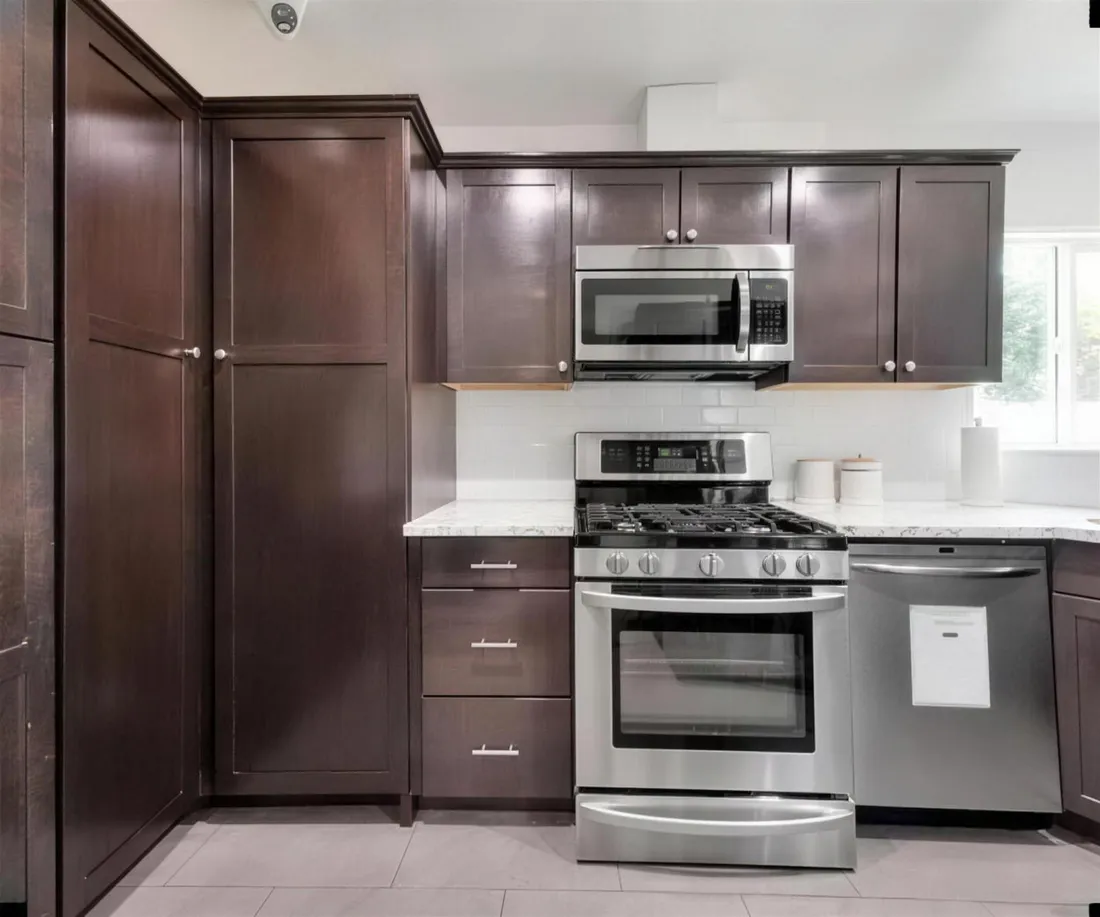
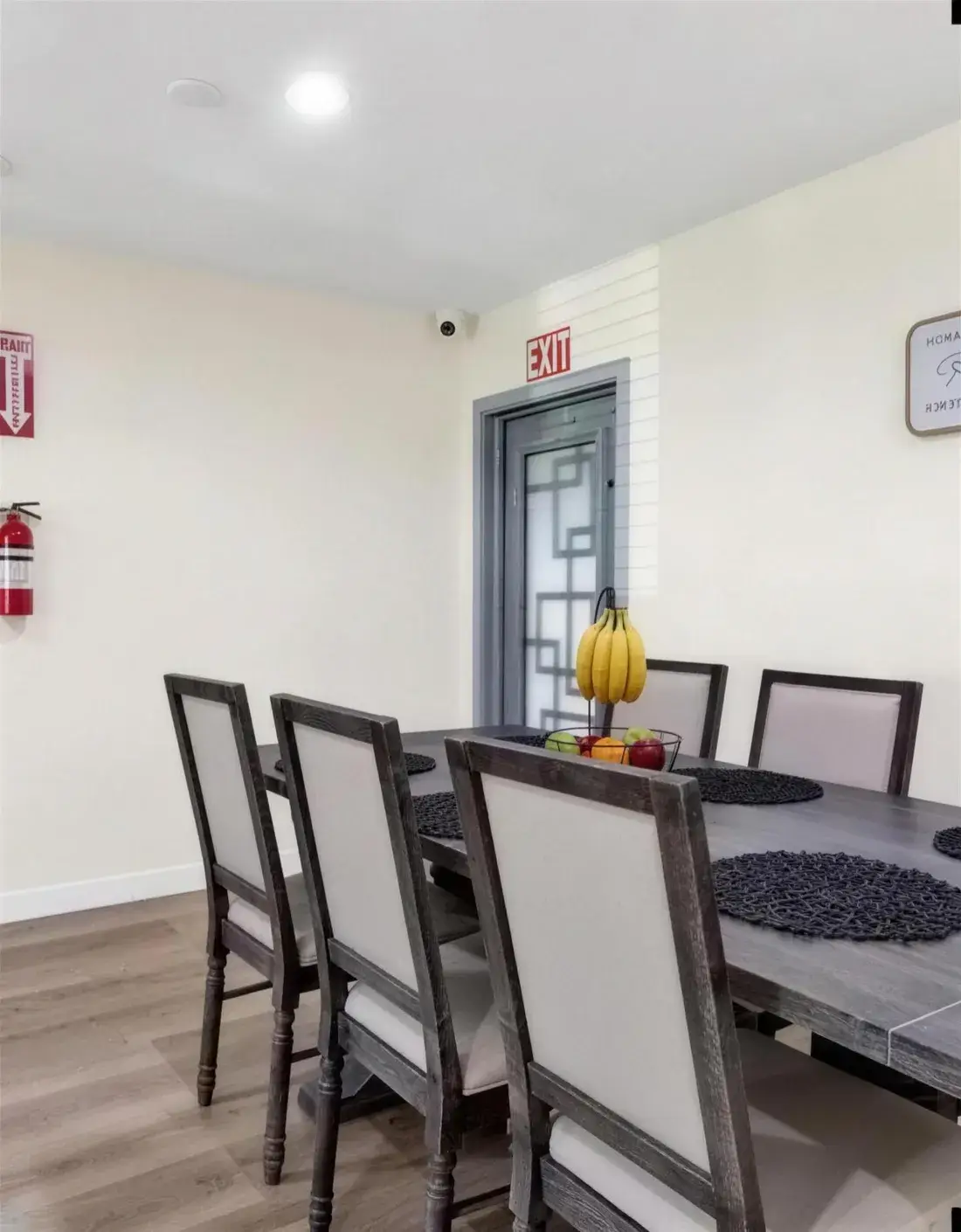

Every photo here is the actual house on Aztec Street.
Don't take our word for it
The state's own record for this house
The state health department (DHCS) posts a public list of every licensed detox and residential treatment program. This card reads that list live. What you see is what the state shows.
Open the DHCS record ↗Fewer people in the house.
More eyes on you.
Families want to know who is watching over the person they love during medical detox and residential treatment. Here is the team. Someone is awake and on site every hour of every day.
Owner & CEO
Opened New Beginnings and oversees its standards.
Medical Director
Leads medical care, reviews your health and prescribes detox medicine.
Clinical Director & Therapist
Leads therapy with CBT, DBT, EMDR and motivational interviewing.
Program Director
Runs the daily schedule and the house team.
Nurse
Checks vital signs and tracks withdrawal closely.
Case Manager
Handles paperwork, work leave forms and your discharge plan.
Five behavioral health techs keep the house staffed day and night and make the safety rounds: every 30 minutes in detox, every hour in residential treatment. Each one is a Registered Alcohol and Drug Technician (RADT). They're often the ones sitting up with you at 3 a.m. when sleep won't come.
Erichoine Brown, our chef, cooks three meals a day in the house kitchen. Good food helps the body recover after medical detox.
Someone is always awake.
That is the point of a small house.
Most people use more than one thing. Tell us all of it on the call so the medical team can plan for each one.
Biggest risk: Seizures in the first 2 days, and delirium tremens (DTs) after that. Both are emergencies.
How hard it feels, typically
Last use
Often feels fine for a few hours.
Here: Intake, vital signs and a written plan, before anything starts.
Day 1
Shaky hands, sweats, nausea and nerves, often within 8 hours.
Here: Our nurse checks your vital signs on a set schedule. Medicine starts when you need it.
Days 2–3
Usually the peak, between 24 and 72 hours. Seizures are most common in the first 48.
Here: Staff check on you every 30 minutes, day and night. Medicine, when prescribed, lowers seizure risk.
Days 4–7
Most symptoms ease. DTs, a sudden severe confusion, usually start 2 to 4 days in, so the risk can run into this stretch.
Here: Staff watch for the first signs of DTs and call 911 at once if they show.
Weeks 2–4
Sleep and mood can stay rough for weeks.
Here: Residential treatment starts in the same house.
After detox
Detox manages the withdrawal. It doesn't change the drinking pattern.
Here: Your case manager refers you to your next step before you leave.
Typical pattern, not a prediction. Sources: WHO withdrawal guidelines · MedlinePlus: alcohol withdrawal · MedlinePlus: delirium tremens
Biggest risk: Not usually deadly on its own, but relapse after detox is. Tolerance drops, so the old amount can cause an overdose.
How hard it feels, typically
Last use
Normal for a few hours. Fentanyl timing can vary.
Here: Intake and a plan. Tell us about every pill, patch or powder.
Day 1
Yawning, runny nose, sweats, aches and cravings. Heroin: within 12 hours. Methadone: up to 30.
Here: Comfort medicine starts as symptoms build.
Days 2–3
Cramps, diarrhea, vomiting, chills and goosebumps. Often the hardest days.
Here: Fluids, rest and medicine for each symptom. Staff check on you every 30 minutes.
Days 4–7
Body symptoms fade over about a week.
Here: Your care team helps plan what comes next.
Weeks 2–4
Sleep, mood and cravings can hang on.
Here: Residential treatment starts in the same house.
After detox
Your tolerance is lower than before. The old dose can kill.
Here: Ask your care team about overdose risk and naloxone before you leave.
Typical pattern, not a prediction. Sources: WHO withdrawal guidelines · MedlinePlus: opioid withdrawal · CDC: fentanyl
Biggest risk: Seizures if the drug stops all at once. That's why the dose comes down in steps.
How hard it feels, typically
Last use
Short-acting pills like Xanax wear off within a day. Valium can take several days.
Here: Benzos are tapered, not stopped all at once. The dose comes down step by step.
Day 1
Nerves, restlessness and trouble sleeping.
Here: Vital signs and symptoms are checked often.
Days 2–3
Shaking, sweating, and light or noise feel too strong.
Here: Each step of the taper is set by how you're doing.
Days 4–7
Seizure risk is highest if the drug was stopped suddenly.
Here: Slow steps help lower that risk. Staff check on you every 30 minutes.
Weeks 2–4
Withdrawal often runs 10 to 14 days, sometimes longer.
Here: Therapy begins while the taper goes on.
After detox
Sleep and anxiety can take months to settle.
Here: We set up follow-up care before you leave.
Typical pattern, not a prediction. Sources: WHO withdrawal guidelines · FDA: benzodiazepine boxed warning · Pétursson 1994, Addiction
Biggest risk: Deep low mood and thoughts of self-harm. If someone talks about suicide, call or text 988.
How hard it feels, typically
Last use
The crash can start within hours.
Here: Intake, then a quiet, safe place to sleep.
Day 1
Exhaustion, long sleep, hunger and low mood. Day 1 is often the hardest.
Here: Staff check on you while you rest.
Days 2–3
Irritable, low and craving.
Here: Mood and safety checks happen often.
Days 4–7
The worst usually passes in 7 to 10 days.
Here: Therapy begins as energy comes back.
Weeks 2–4
Low mood, poor focus and cravings can linger.
Here: One-on-one and group therapy.
After detox
Stress can bring back paranoia or low mood.
Here: Your discharge plan names who to call, and when.
Typical pattern, not a prediction. Sources: WHO withdrawal guidelines · McGregor 2005, Addiction · NIDA: methamphetamine
Biggest risk: No shakes or vomiting, so it looks mild, but low mood and suicidal thoughts can be serious.
How hard it feels, typically
Last use
A crash can start within hours: tired, low and hungry.
Here: Intake and rest, with staff nearby.
Day 1
Deep tiredness, vivid bad dreams, slowed movement.
Here: Sleep, meals and regular check-ins.
Days 2–3
Cravings and low mood. Some people have thoughts of self-harm.
Here: Staff check mood and safety on their rounds.
Days 4–7
Energy slowly returns.
Here: Therapy starts on the reasons behind the use.
Weeks 2–4
Cravings come and go.
Here: You practice ways to ride out a craving.
After detox
Cravings and low mood can last months.
Here: Your plan covers triggers and who to call.
Typical pattern, not a prediction. Sources: WHO withdrawal guidelines · MedlinePlus: cocaine withdrawal · NIDA: cocaine
Prescription pills or more than one substance? Each one runs on its own clock, so list everything on the call. How medical detox works →
Mental health is part of it. Low mood, worry and trauma get care during medical detox and residential treatment, since each one feeds the other. Our license covers substance use disorders. We treat these conditions along with a substance use disorder, not on their own. Our mental health services explain more.
Two levels of care happen in the same house: medical detox first, then residential treatment. We don't offer outpatient programs, so your next step after us is booked before you leave.

Arrival day
Our nurse does your intake and the medical director reviews your health and medicines. We show you your room and store your phone.

Medical detox · often 5 to 10 days
Staff check on you every 30 minutes, day and night. Our nurse tracks your vital signs, and medicine is given when it's needed. Phones and laptops stay put away so you can rest. If your job needs you reachable, tell us before you arrive and we'll arrange it. Forgot a number? Staff will let you look it up on your phone and call from the house landline.

Residential treatment · the weeks after
Once medical detox ends, days fill with one-on-one therapy, groups, shared meals and real rest. Therapy draws on CBT, DBT, EMDR and motivational interviewing, and staff check on you every hour. Phones stay stored for the whole stay. Family visits are arranged with our staff.

Your last week
Your case manager refers you to your next step before you leave. That could be an outpatient program, a therapist, sober living or a support group. You leave with referrals and phone numbers.
How therapy works here
“Compassionate yet direct, supportive yet challenging.”
CBTDBTEMDRMotivational interviewingMindfulnessRelapse prevention
Drinking and drug use often start as a way to cope with trauma, stress or pain. In residential treatment, therapy works on those roots, not only the symptoms.
You'll be treated with respect and never judged. You'll also be asked to face hard feelings and take on real change.
Understanding why is a start. You practice new ways to handle cravings, stress and conflict until they stick.
You are more than a diagnosis. Your plan fits your history, your strengths and your goals, and it changes as you do.
Detox steadies the body.
Residential care gives the mind room to heal.
Calling isn't overreacting, and it doesn't commit them to anything. Parents, partners and siblings call us all the time, usually before the person is ready. We listen first, then help you plan.
Where are things right now?
If they're asking for help
Have them on the call if you can. One call checks medical fit, an open bed and their PPO benefits. Admission is sometimes the same day.
How admission works ↓If they say they're fine
We'll help you plan what to say, what to stop doing and when to try again. Calm, steady pressure works better than a showdown. In one study, 64% of families using CRAFT got a loved one into treatment, about twice the rate of a surprise confrontation (Miller, Meyers & Tonigan, 1999).
If they're already here
Visits start after medical detox. Staff set them up ahead of time. Family can join education and family therapy sessions. We share updates once they sign a consent form, as federal privacy law requires.
What we will do
What we will never do




You can't carry this by yourself.
Neither can they.

PPO plans we've worked with
All out-of-network. Having one of these plans doesn't guarantee coverage, so we check your exact benefits first. Insurer names are trademarks of their owners.
We are out-of-network with all insurance companies. That means your plan has no contract with us. Even so, PPO plans frequently cover part of medical detox and residential treatment through their out-of-network benefits.
Example: what we send back after a check
Sample layout. Your real numbers come from your plan.
Federal parity law generally requires plans that cover addiction care to cover it on terms no stricter than medical care. See your coverage rights.
1What you use, how much, your health and your medicines. Nothing leaves the call without your written OK.

2With your signed consent, we contact your plan about its out-of-network benefits and come back with real numbers.

3If it's a safe fit, we pick an arrival time. Sometimes that's the same day. If not, we help you find a place that is.
Before you call: what's going on right now?
Tick anything that's true for you or the person you're calling about.
Not a diagnosis. Nothing you tick is saved or sent.
Nothing ticked yet
You can still call.
Not sure what you need is reason enough. We'll talk it through, and if another kind of care fits better, we'll say so.
Call (844) 989-3190Emergency
Call 911 now.
These are medical emergencies. Don't drive them yourself and don't wait for a bed. Call us once they're safe.
Call 911Crisis
Call or text 988 now.
The 988 Suicide & Crisis Lifeline answers 24/7. If there's immediate danger, call 911. Then call us about treatment.
Call 988Medical detox fits
Don't quit cold at home.
With these signs, stopping alone can be risky. Medical detox lets staff manage withdrawal as it happens. Call and we'll check for a bed and your benefits.
Call (844) 989-3190Ready or not,
you're allowed to ask questions.
One call gets you a clinical fit answer, an open-bed answer and a benefits check for medical detox or residential treatment.
24/7 at (844) 989-3190
Fit and bed on the call, benefits soon after
Arrival planned, sometimes the same day
At intake and discharge, with a signed Part 2 release
Shared with you if your client agrees
Each link opens the official public record in a new tab.
We sit at the north edge of the San Fernando Valley, near where the 5, 210 and 14 freeways meet. That puts detox in Sylmar within reach of most of Los Angeles County and much of Southern California.
North
Santa Clarita · Palmdale · Lancaster
South
San Fernando · Pacoima · Arleta · Panorama City
West
Granada Hills · Porter Ranch · Northridge · Chatsworth
East
Lake View Terrace · Sunland-Tujunga · La Crescenta · Glendale

13992 Aztec St
Sylmar, CA 91342

Alcohol and drugs overload the brain's pleasure circuits. Little by little, ordinary joys fade and cravings get louder.

Once the brain adapts, quitting sets off a physical rebound. Supervised medical detox exists to manage it safely.

Like diabetes or high blood pressure, addiction is managed over time. A relapse is a sign to change the plan, not to give up. Your effort still counts.
Remaining in treatment for an adequate period of time is critical.National Institute on Drug Abuse · Principles of Drug Addiction Treatment
No answer matches that yet. Call (844) 989-3190 and ask us directly.
First steps
A real person from admissions answers, at any hour. They'll ask what you've been using, about your physical and mental health, and which insurance card you carry. Nothing about the call costs money or locks you in. If you say yes, we look up your PPO benefits and call back with numbers. A safe fit means we plan a move-in day. A poor fit means we give you names of places that suit you better.
Sometimes. A same-day start depends on three things: the phone screening, a benefits check, and an empty bed among our six. A call is the fastest way to find out. Some people should go to an emergency room first, such as anyone with chest pain or a seizure in the past few days. We'll tell you straight if that applies.
Men and women 18 or older whose drinking or drug use calls for medical detox, residential treatment or both. Plenty of residents also carry depression, anxiety or trauma, and those get care during the same stay. This is a licensed house, not a hospital. Our state license also requires a substance use disorder, so mental health admissions on their own fall outside it. We'll refer you elsewhere when that's the case.
Pack your photo ID, insurance card and every medicine you take, still in the pharmacy bottles. Add enough easy clothes for roughly seven days. Writing key phone numbers on paper helps. If you forget one, staff will let you look it up on your phone and call from the house landline. Alcohol, drugs, weapons, jewelry and big sums of cash should stay home. Admissions will walk you through the packing list before move-in day.
Phones and laptops are stored for your whole stay, through detox and residential treatment, so your body and mind can rest. Does your job need you on call? Tell us before you arrive. When it's arranged ahead, we allow work calls or laptop time. Forgot a phone number? Staff will let you look it up on your phone, then you can call from the house landline.
Your stay
Plan on roughly a week, with most stays between 5 and 10 days. What you used, how heavily, for how long, and your overall health all shift that number. Per MedlinePlus, alcohol withdrawal can begin a few hours after the final drink and usually peaks around day two or three. Heroin withdrawal often starts within 12 hours, and methadone can take up to 30. Benzodiazepines are often tapered more slowly. Residential treatment follows right after, down the hall.
For many people, no. After heavy daily drinking, quitting alone at home can cause seizures or the DTs, the worst stage of alcohol withdrawal. An FDA warning says stopping benzos all at once can cause seizures too. Here, a nurse tracks your pulse, blood pressure and symptoms, and our doctor adjusts your medicine as you go. If someone is having a seizure, won't wake up or can't breathe well, dial 911.
Staff check on you every 30 minutes, day and night, and our nurse tracks your vital signs. Our medical director picks medicines to ease symptoms and help prevent complications. Coming off alcohol or benzos may mean tremors, sweating and restless nights. Coming off opioids brings aches, chills and stomach trouble. You recover in a bedroom in a quiet house, not a ward. A therapist can start meeting with you once you're steady.
Therapy is led by our clinical director, a licensed marriage and family therapist (LMFT). She uses four core approaches backed by research. CBT helps you spot the thoughts that lead to using. DBT teaches skills for strong feelings and stress. EMDR helps the mind work through painful memories and trauma. Motivational interviewing helps you find your own reasons to change. You get one-on-one sessions and groups, set to what you need. During residential treatment, staff also check on you every hour.
Detox gets the drug or alcohol out of your system under medical watch. Residential treatment teaches you how to live without it. That means counseling, groups and practice with triggers and cravings. Research from the National Institute on Drug Abuse finds detox by itself rarely changes long-term use. So our residents usually do both, back to back, in one house.
No. We offer two things: medical detox and residential treatment. Near the end of your stay, your case manager refers you to your next step with another provider. That might be day treatment (PHP), part-time care (IOP), a therapist, a sober living home or support meetings. You go home with referrals and phone numbers.
Yes, whenever they show up alongside drinking or drug use. Low mood, constant worry and past trauma often fuel substance use, and the reverse is true too. We ask about these at intake and build them into your plan. Treatment for a mental health condition by itself falls outside our state license. If that's the need, we'll connect you with a program built for it.
Never more than six adults, both men and women. Keeping it that small is a choice. Evenings are quieter, staff know each resident well, and the group stays steady instead of changing every few days. Residents share common rooms and the covered patio. Staff are awake in the house around the clock.
Cost
A PPO often covers a share. No insurer has us in-network, so coverage runs through your policy's out-of-network side. Under federal parity rules, plans that cover addiction care generally can't make it harder to use than medical care. We've worked with PPO plans from Anthem, Blue Cross Blue Shield, UnitedHealthcare, Optum, Cigna and Regence. Our team pulls your deductible, coinsurance and approval rules at no charge. You'll hear the numbers before you commit to anything.
Out-of-network means we don't hold a contract with your insurer. PPO policies usually still reimburse part of the cost. Expect a separate deductible and a bigger percentage on your side. If the plan allows less than the bill, the gap can fall to you, a practice known as balance billing. We estimate that gap up front, so it isn't a surprise.
Medi-Cal and HMO plans aren't accepted here. Paying on your own is an option we can talk through by phone. People on Medi-Cal in Los Angeles County can reach the county's Substance Abuse Service Helpline, 1-844-804-7500, free and open 24/7. SAMHSA's National Helpline, 1-800-662-4357, is another free option. We're also glad to steer you toward a program that takes your coverage.
Trust & privacy
Yes. The state health care agency, DHCS, licenses this home for residential detox. Our license number is 191315AP, and it runs through April 30, 2028. DHCS also approves us for Incidental Medical Services (IMS), which lets licensed medical staff provide detox care on site. The Joint Commission accredits our residential care, ID 729223. LegitScript certifies us too. Anyone can look us up on the state's facility finder or our Joint Commission listing. We'd encourage that for any program.
It stays private. HIPAA covers your records, and a tougher federal rule for addiction programs, 42 CFR Part 2, adds more protection. Without your signature, we won't even confirm you're a resident. Need leave from work? Under the Family and Medical Leave Act (FMLA), eligible workers can often keep their job while in treatment. Our case manager can help with the paperwork your employer asks for.
Families & referrals
Please do. Plenty of calls start with a worried parent or partner. We'll hear what's going on, explain what detox and residential care involve, and help you prepare for a calm conversation. Adults must agree to their own admission, so we can't bring someone in against their will. We can line things up ahead of time, though, so yes turns into a bed fast. Immediate danger? Call 911.
Yes. After detox wraps up, staff schedule visits with you ahead of time. Relatives can also join family education and family therapy. Reach out to book a time and ask what to bring along. Scheduling ahead helps everyone in the home stay settled.
Call (844) 989-3190 at any hour. Have your client's drug history, medical issues and PPO card handy. On that same call, you'll learn whether the house can safely take them and when a bed opens. If your client signs a release, we'll brief you at intake and at discharge. Referral payments don't happen here, in either direction.
Our home is at 13992 Aztec Street in Sylmar, in Los Angeles County. People come to us from the San Fernando Valley, Santa Clarita, Palmdale and Lancaster. We can't take drop-ins, so please call first to set up a visit.
Our admissions line for medical detox in Los Angeles County is answered around the clock. Call for yourself, for someone you love, or for a client. Asking questions doesn't sign you up for anything.
Admissions · Day or night
(844) 989-3190In their own words
These reviews of our medical detox and residential treatment were posted on Google by the people who wrote them. We share them word for word. Everyone's recovery is different.
4.8from 17 Google reviews · October 2026
Read every review on Google ↗They didn't stay with us, and still wrote this
“Sarkis, let me just say I have never met somebody so dedicated to help me, and from the bottom of my heart I am forever grateful!! ❤️❤️❤️ Even though I'm not getting to come to your facility which is a complete bummer, I'm so glad I picked up the phone and dialed your number. Because you were the only person that was ever serious, when they said ( if they couldnt help me ) they would find someone that could!!! And you did and I'm so thankful for all the help and hope you gave me. Thank you so much for not giving up on me 💞💞💞”
“Hey this place called new beginning is the best place anyone could ever go to for detox and recovery from alcohol addiction. The staff is great and the best! The nurse and the therapy was best that you will ever get at any place in sylmar California. The therapist mahnaz was the greatest therapy you ever get she so beautiful and awesome. My nurse Priscilla best nurse I have ever had in my entire life… what a great experience I had at that place new beginning. My life so good now I love my life now that’s to all staff at new beginnings!!!!!”
“New beginnings was such a blessing in my life. My life was spiraling out of control and when I thought there was no hope I found new beginnings. They were so helpful and helped me get back on my feet I truly have never been in any sort of treatment and they made it not only easy but so comfortable, through them I found the tools I needed to finally be free of my addiction and find the resources I needed thank you so much for everything! If anyone even thinks about rehab or detox come here and only here 100/10”
“At New Beginnings they're very compassionate and knowledgeable and I would definitely recommend this place because I received personal one on one care. They helped me change my life for the better. I'm so grateful for the entire staff, that helped me rebuild my life. New Beginnings helped me focus on my new life of sobriety. Thank you for All your caring so much about us. You allowed us a safe place to open up. And gave me the opportunity of a life time. I thank each and everyone of you helping me change my life”
“This place is absolutely beautiful from the house to all the staff from the top all the way down to the bottom. This is a life changing place if you put in the work. Blessed to have been at a place where you get treated like a human and not just a number. Thank you To the owner, director, staff, therapist, group facilitator and the amazing chef. I recommend this place 100% to anyone struggling. Thank you for being caring and loving.”
“My experience at New Beginnings was by far the best place I could ever imagine getting sober! The entire staff was unbelievably caring and supportive. The food was prepared by a chef and luckily there was some workout equipment and I still gained like ten pounds. Much needed! I couldn’t be happier about the time I spent there. Great therapy session and the groups were amazing.”
“I got a lot of group therapy and personalized care with my therapist because it's a smaller place. The staff here is great and everyone helped me so much! This has been the best place I've ever been for recovery.”
“This place has been amazing to me the staff is amazing and so is the food they especially are really good at finding you resources and after care”
“Great place with amazing staff.”