You’ll find that modern rehabilitation science strongly supports combining traditional medical treatments with holistic therapies for enhanced recovery outcomes. This integrated approach addresses both physical and psychological healing through evidence-based practices, creating powerful synergistic effects. By engaging multiple healing mechanisms simultaneously, you’re able to treat root causes rather than just symptoms. Advanced technologies like AI-driven analytics and personalized treatment protocols can help you achieve ideal results in your recovery journey.
Understanding Holistic-Medical Integration in Recovery

While traditional medical treatments remain essential for recovery, integrating holistic approaches creates a more complete healing framework that addresses the whole person.
Through holistic healing, you’ll experience personalized care that considers your physical, emotional, mental, and spiritual needs. A focus on treating root causes helps identify and resolve underlying health issues rather than just symptoms. Studies show that this comprehensive approach results in higher retention rates for treatment programs.
Medical integration with complementary therapies offers you a thorough treatment strategy. The use of guided imagery therapy can help you manage chronic pain and reduce anxiety during your recovery process.
You’ll benefit from evidence-based practices like CBT combined with mindfulness meditation, nutritional counseling, and creative therapies. This balanced approach helps optimize your brain function, stabilize mood, and develop sustainable coping mechanisms.
The fusion of medical and holistic treatments strengthens your recovery journey by addressing both immediate symptoms and underlying causes.
You’ll learn stress management techniques, participate in physical activities, and engage in spiritual practices that foster long-term wellness and reduce relapse risks.
Evidence-Based Benefits of Combined Therapies
When you combine holistic and medical therapies, you’ll experience enhanced treatment outcomes through the synergistic interaction of multiple healing approaches.
Your recovery engages both physiological and psychological mechanisms, as evidenced by improvements in biomarkers like reduced inflammation alongside enhanced emotional resilience. Studies demonstrate that evidence-based practices increasingly support the validity and effectiveness of integrated treatment methods. Incorporating whole-person healing allows for complete integration of mental, physical, and spiritual wellness in the recovery process. The implementation of clear communication channels between healthcare providers and holistic specialists ensures optimal coordination of your integrated treatment plan.
You’ll benefit from this integrated approach through measurable gains in areas like sleep quality, cognitive function, and sustained wellness behaviors, supported by research showing the effectiveness of combining traditional medical care with mind-body practices.
Synergistic Treatment Outcomes
Research consistently demonstrates that combining holistic and medical rehabilitation treatments produces powerful synergistic effects beyond what either approach achieves alone.
Through holistic synergy, you’ll experience enhanced recovery outcomes that target both physical and psychological healing simultaneously. The therapy emphasizes dynamic balance restoration while addressing underlying health patterns. This synergistic healing approach creates a thorough foundation for lasting wellness. Patients who actively engage as equal healing partners with their healthcare providers see significantly better treatment outcomes.
- Your personalized treatment plan combines evidence-based therapies with holistic practices, leading to improved cognitive function, reduced inflammation, and better emotional regulation.
- You’ll benefit from accelerated recovery through the mutual reinforcement of medical treatments and complementary therapies like mindfulness, nutrition, and movement.
- The integration of multiple healing modalities strengthens your body’s natural recovery mechanisms while addressing root causes of illness and dysfunction.
This multi-faceted approach optimizes your healing potential and creates sustainable pathways to long-term wellness.
Mind-Body Recovery Mechanisms
Building on the synergistic power of combined treatments, understanding the specific mind-body recovery mechanisms reveals how these therapies create lasting positive changes.
The neurobiological changes demonstrate remarkable brain adaptability, as Tai Chi enhances resting-state connectivity while Kundalini yoga increases gray matter volume in areas controlling memory and executive function. Controlled breathing exercises following specific patterns like 3-3-3-3 breathing help regulate the autonomic nervous system. Mindfulness-based stress reduction shows significant effectiveness when integrated with conventional medical treatments.
You’ll experience significant physiological benefits through these integrated approaches. Mind-body walking programs improve physical function, while Tai Chi and Qigong enhance sleep quality and pain management. Recent studies show that structured mind-body interventions achieve higher satisfaction rates compared to traditional health education programs.
These practices trigger positive changes at the cellular level, with meditation increasing BDNF levels for enhanced neural plasticity and telomerase activity to counter aging.
The combined effects create a thorough healing response, activating multiple pathways that support both physical recovery and cognitive performance.
Personalized Treatment Approaches for Optimal Results
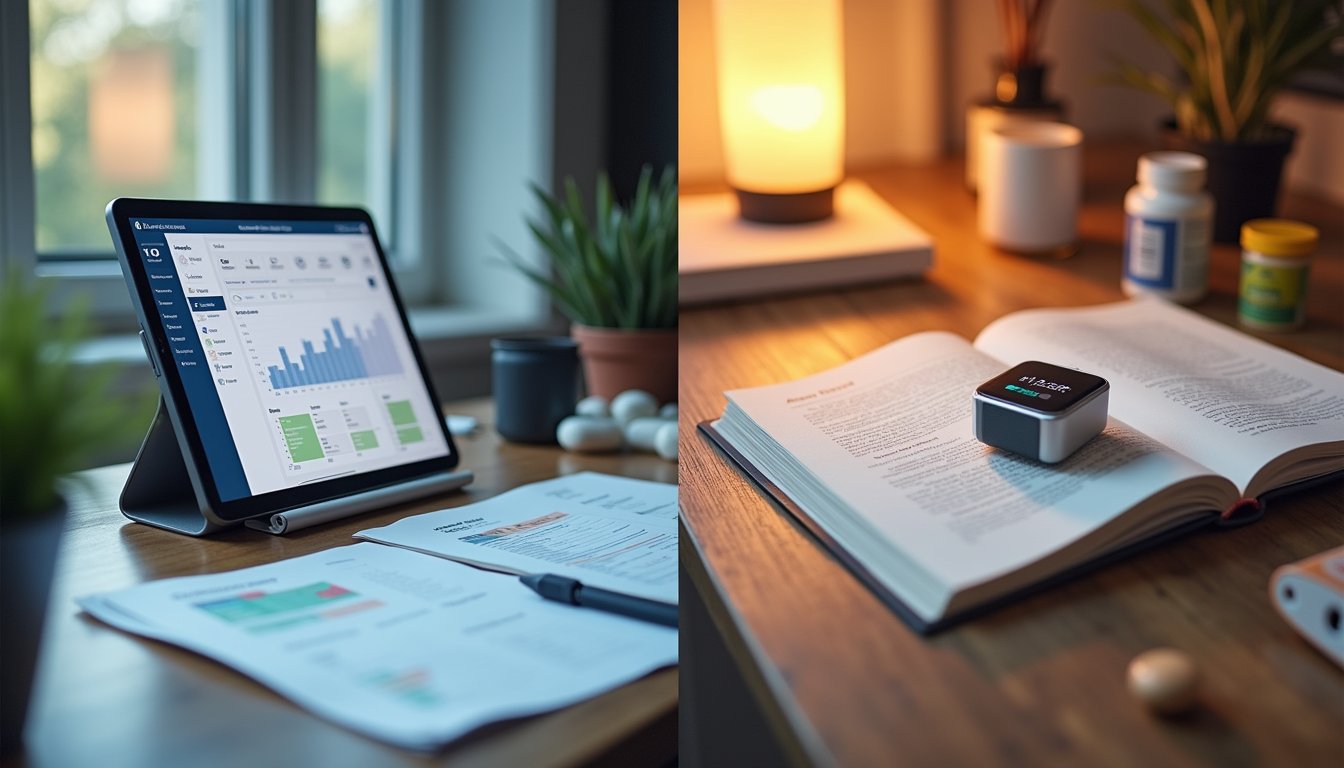
As healthcare continues to evolve beyond one-size-fits-all approaches, personalized treatment strategies have emerged as the cornerstone of effective rehabilitation. Evidence-based practices drive the development of comprehensive treatment plans that maximize recovery potential. Setting realistic, meaningful goals that correspond to your daily life activities ensures treatments remain relevant and achievable.
Through patient centered care and individualized therapies, you’ll experience treatments tailored to your unique needs, genetic makeup, and recovery goals. The development of thorough treatment overviews includes detailed information about your medical history, lifestyle factors, and personal preferences.
Modern rehabilitation combines evidence-based practices with cutting-edge technology to optimize your recovery journey:
- AI-driven analytics and wearable devices track your progress in real-time, allowing for precise adjustments to your treatment plan
- Pharmacogenomic testing helps select medications that work best with your genetic profile, reducing adverse reactions
- Interdisciplinary teams collaborate to create thorough programs that address both physical and psychological aspects of your recovery
This personalized approach not only accelerates healing but also leads to better outcomes and long-term cost savings through targeted, efficient interventions.
Breaking Down Multi-Modal Rehabilitation Methods
Modern rehabilitation’s most successful outcomes emerge through multi-modal treatment approaches that combine diverse therapeutic methods, advanced neuroimaging, and personalized exercise protocols.
You’ll find that neuroimaging insights, particularly from functional and structural MRI, enable practitioners to predict treatment responses and tailor interventions more effectively.
Exercise variability plays a vital role, incorporating stretching, strength training, and endurance work adapted to your specific needs. Research shows that knee-extensor muscle strength significantly improves with multimodal training compared to single-method approaches.
The REHAB24-6 dataset demonstrates how diverse exercise protocols, captured under various conditions, help create more robust rehabilitation programs. Having two camera views during exercise monitoring provides comprehensive assessment of patient form and movement patterns.
When you combine these physical approaches with complementary therapies like acupuncture or cognitive training, you’ll often experience enhanced recovery outcomes.
This integrated approach guarantees you receive extensive care that addresses both immediate functional limitations and long-term mobility goals.
Digital Innovation in Modern Rehabilitation Care

Three key technological innovations are revolutionizing rehabilitation care: AI-driven robotics, virtual reality platforms, and smart wearables.
These digital tools are transforming how you’ll receive and engage with rehabilitation treatments, making them more accessible and effective than ever before.
AI advancements have enabled remarkable improvements in personalized care delivery:
- Robotic exoskeletons and AI-powered devices provide precise, real-time feedback during your therapy sessions
- Virtual reality platforms create immersive environments for both physical and cognitive rehabilitation exercises
- Smart wearables track your progress 24/7, allowing therapists to adjust your treatment plan proactively
With the rehabilitation equipment market projected to reach $27.29 billion by 2030, you can expect continued innovation in digital rehabilitation solutions that combine medical precision with personalized care approaches.
Overcoming Barriers to Integrated Treatment Success
While digital innovations enhance rehabilitation capabilities, implementing integrated treatment approaches faces significant real-world obstacles.
You’ll find that clinician time constraints and resource limitations often create barriers to delivering thorough care. To overcome these challenges, you need to focus on developing strategic partnerships with community health providers and exploring diverse funding solutions.
Success requires addressing both systemic and practical hurdles. You can start by implementing balanced protocols that standardize care while maintaining flexibility for individual needs.
Effective healthcare delivery demands balanced solutions that create consistent standards while adapting to meet each patient’s unique circumstances.
It’s crucial to invest in staff training to bridge education gaps and adopt team-based approaches that involve patients in their care planning.
Frequently Asked Questions
How Long Does It Typically Take to See Results From Combined Treatments?
You’ll typically notice initial results from combined treatments within 1-2 weeks, though treatment timelines vary based on your specific condition.
Some patient experiences show physical improvements, like pain relief, emerging first, while mental and emotional benefits develop over 6-8 weeks.
You can expect more substantial functional improvements within 4-6 weeks, but chronic conditions may require 3-6 months for ideal results.
Your age, health status, and treatment compliance will influence these timelines.
What Percentage of Insurance Companies Cover Holistic Rehabilitation Treatments?
Based on available data, you’ll find that insurance coverage for holistic therapies in rehabilitation varies greatly.
While approximately 40.4% of people have some form of insurance coverage, only a fraction of plans fully cover holistic treatments.
Most insurance companies prioritize evidence-based medical approaches, with holistic therapies often requiring special authorization or being excluded entirely.
You’ll typically need to verify coverage specifically for alternative treatments, as they’re less consistently included in standard insurance policies.
Can Holistic Treatments Interfere With Prescribed Medications During Rehabilitation?
Yes, holistic treatments can greatly interfere with your prescribed medications during rehabilitation.
You’ll need to be especially careful with herbal interactions, as supplements like St. John’s Wort can alter medication effectiveness or cause unexpected side effects.
For medication safety, you should always inform your healthcare providers about any holistic treatments you’re using.
While many holistic approaches can be beneficial, they need to be carefully coordinated with your prescribed medications to avoid potentially dangerous interactions.
Are There Age Restrictions for Certain Combined Therapy Approaches?
Yes, you’ll find age-specific restrictions for certain combined therapies based on safety and developmental needs.
Youth therapies often have minimum age requirements for practices like meditation or yoga, while senior considerations may limit intense physical interventions.
However, most holistic approaches can be adapted to suit different age groups.
You’ll need to work with your healthcare team to determine which combinations are appropriate for your age and condition.
How Often Should Complementary Treatments Be Repeated for Maximum Effectiveness?
You’ll need to adjust treatment frequency based on your specific therapy type and symptoms.
For FSM therapy, you should aim for 6-12 sessions at weekly intervals, while horticultural therapy works best at 2-3 times weekly.
Ideal intervals vary: acute conditions might need intensive short-term treatment, while chronic issues require sustained maintenance.
You’ll get the best results by monitoring your response and adjusting frequency accordingly, avoiding both under-treatment and therapeutic fatigue.