
Table of Contents
TL;DR
Kratom for depression is a topic generating growing interest — and growing concern. While some users report temporary mood-lifting effects, research warns of serious risks including dependence, withdrawal, and worsening mental health symptoms. This article breaks down what kratom actually does to your brain and body, how it interacts with depression, and why professional treatment remains the safest path forward.
Introduction
When depression hits, the search for relief can lead you down some unexpected roads — and lately, kratom for depression has become one of the more talked-about detours. Marketed as a natural mood booster, kratom is showing up in wellness circles, online forums, and supplement shops. But between the hype and the hope, there’s a more complicated story worth understanding before you take that first dose.
What Is Kratom?
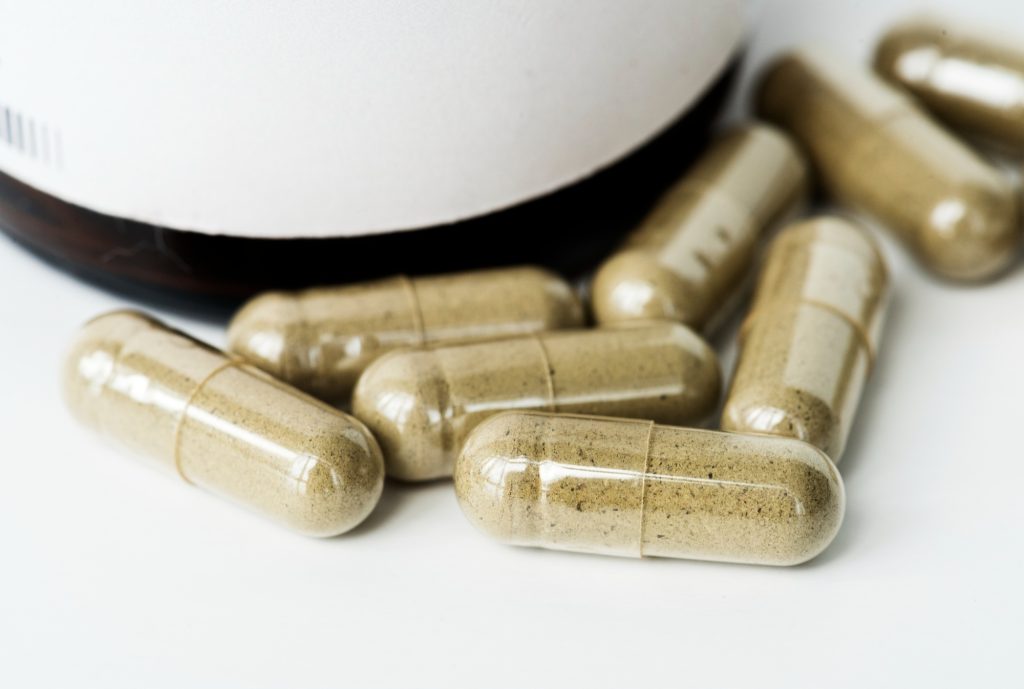
Kratom — formally known as Mitragyna speciosa — is a tropical tree native to Southeast Asia, primarily found in Thailand, Indonesia, Malaysia, and Papua New Guinea. For centuries, workers in those regions chewed its leaves to combat fatigue and boost productivity. In the United States, it’s sold in powder, capsule, tea, and extract form — frequently marketed as a natural remedy for pain, anxiety, and low mood.
What makes kratom pharmacologically interesting is its dual-acting nature. At low doses, it behaves like a stimulant. At higher doses, it mimics opioid-like sedation by binding to the brain’s opioid receptors — the same receptors targeted by drugs like morphine and oxycodone. According to the National Institute on Drug Abuse (NIDA), this opioid-like activity is precisely what raises red flags for researchers and clinicians alike.
Street Names for Kratom
Before diving deeper, it’s worth knowing that kratom circulates under a number of aliases. If you’ve heard any of these names, they’re all referring to the same plant:
- Thang
- Kakuam
- Thom
- Ketum
- Biak or Biak-Biak
- Ithang
- Madat
- Maeng Da
Maeng Da, in particular, is one of the most potent and widely marketed strains — frequently promoted online as the best kratom strain for anxiety and mood support.
How Does Kratom Affect Mood?
Here’s where things get genuinely nuanced. Kratom contains two primary active alkaloids — mitragynine and 7-hydroxymitragynine — that interact with opioid, serotonin, and dopamine receptors in the brain. That three-receptor cocktail is why so many people report an initial kratom feeling of calm, euphoria, or emotional relief.
In practice, the mood effects of kratom for depression tend to follow a dose-dependent pattern:
| Dose Level | Common Effects |
|---|---|
| Low (1–5g) | Increased energy, alertness, sociability |
| Moderate (5–10g) | Mild euphoria, reduced anxiety, pain relief |
| High (10g+) | Sedation, nausea, opioid-like intoxication |
For someone navigating depression and anxiety, that moderate-dose window can feel like a temporary lifeline. The problem, as we’ll explore, is that the window has a way of closing — and what comes after is rarely pleasant.
Is Kratom for Depression and Anxiety Backed by Scientific Research?
Straightforwardly: not in the way most people hope. While anecdotal reports about kratom for anxiety and depression flood Reddit threads and wellness blogs, the clinical evidence is limited and largely cautionary.
A 2021 study published in PMC found that while some kratom users self-reported mood improvements, many also reported increased anxiety, irritability, and emotional dysregulation with continued use. Furthermore, a 2024 PMC study highlighted significant risks of dependence and psychiatric complications associated with regular kratom consumption.
The Mayo Clinic is unambiguous on this point: kratom is not an approved treatment for depression, anxiety, or any other mental health condition, and its safety profile has not been established through controlled clinical trials.
Additionally, kratom and SSRIs — including kratom and Lexapro, kratom and Zoloft, and kratom and Effexor — can interact in potentially dangerous ways. Combining kratom with SSRIs or SNRIs raises the risk of serotonin syndrome, a serious and potentially life-threatening condition. If you’re on antidepressant meds, kratom is not a safe add-on — it’s a liability.
Short-Term Effects of Kratom
Even setting aside long-term risks, the short-term effects of kratom deserve honest attention. Beyond the mood lift that draws most people in, users frequently report:
- Nausea and vomiting
- Dizziness and drowsiness
- Rapid heart rate and elevated blood pressure
- Dry mouth
- Loss of appetite
- Itching or flushing
- Increased urination
For individuals with dual diagnosis conditions — meaning co-occurring depression and substance use — these physical effects can compound an already unstable baseline. Additionally, the CDC has documented kratom-related adverse events and overdose reports, reinforcing that this is not a benign herbal supplement.
Long-Term Effects of Kratom
The longer the relationship with kratom, the more complicated it becomes. Regular, extended use of kratom for depression or any other purpose has been associated with a constellation of concerning outcomes:
- Liver damage — including elevated enzymes and, in some cases, hepatotoxicity
- Cognitive impairment — including memory difficulties and reduced executive function
- Hormonal disruption — particularly testosterone suppression in men
- Weight loss and malnutrition
- Psychosis and hallucinations in heavy users
- Worsening depression — a phenomenon sometimes called “kratom depression worse,” where rebound low mood deepens over time
- Physical dependence and addiction
The New York State Department of Health has documented many of these risks for clinicians, noting that long-term kratom users may present with symptoms indistinguishable from opioid dependence — because, neurologically, the mechanism is remarkably similar. Read more in the NY DOH clinician guidance on kratom.
Kratom Effects on Mental Health: Potential Benefits and Risks
To be fair — and clinical honesty demands fairness — some people genuinely do experience short-term emotional relief from kratom. For a subset of users, particularly those managing mild mood fluctuations or social anxiety, the initial stimulant effect can feel socially lubricating and emotionally lightening. That’s real. It’s just not the whole story.
Reported potential benefits (short-term, self-reported):
- Temporary reduction in depressive symptoms
- Decreased social anxiety
- Increased motivation and energy at low doses
- Mild pain relief that indirectly lifts mood
Documented risks (clinically observed):
- Dependence developing within weeks of daily use
- Rebound anxiety and depression between doses
- Interference with antidepressants, including kratom and antidepressants interactions that can be medically dangerous
- Emotional blunting and social withdrawal with prolonged use
- Masking of underlying mental health conditions that require proper diagnosis and treatment
The net calculus for most clinicians? The risks substantially outweigh the unverified benefits — especially when evidence-based treatments for depression are available and effective.
Kratom Withdrawal Effects
If you’ve been using kratom regularly and tried to stop, you already know this part isn’t pretty. Kratom withdrawal is a real, medically recognized phenomenon — and for many people, it’s what transforms casual use into something much harder to walk away from.
Common kratom withdrawal symptoms include:
- Intense cravings
- Muscle aches and joint pain
- Insomnia and sleep disruption
- Irritability and mood swings
- Sweating, chills, and fever
- Nausea, vomiting, and diarrhea
- Anxiety and panic attacks
- Deep depressive episodes
The cruel irony of using kratom for depression is that withdrawal often triggers severe depressive episodes — sometimes worse than the original symptoms that led someone to kratom in the first place. That cycle of relief and rebound is precisely how psychological and physical dependence takes hold.
Professional detox services exist for a reason. Attempting kratom withdrawal alone, particularly after heavy or prolonged use, can be not only miserable but genuinely medically risky.
Kratom Addiction Treatment at New Beginnings
If you’ve been leaning on kratom for depression and things have moved beyond your control, you are not alone — and more importantly, you are not out of options.
At New Beginnings Detox & Recovery, we know how someone arrives at kratom. Depression is exhausting, and the promise of a natural fix is genuinely appealing. But sustainable recovery requires treating the whole person — not just the symptom.
Our Sylmar, California facility offers Detox and Residential Treatment with evidence-based therapies including CBT, Motivational Interviewing, and MAT, alongside holistic practices like mindfulness and meditation. For those navigating depression alongside substance use, our dual diagnosis program addresses both conditions simultaneously — because treating one without the other rarely holds.
Contact us today — your new beginning starts with one conversation.
Frequently Asked Questions
Is kratom for depression safe to use long-term?
No. Current research and clinical guidelines do not support the long-term use of kratom for depression. Extended use is associated with dependence, worsening mood, liver damage, and withdrawal symptoms that can be as severe as opioid withdrawal.
Does kratom help with anxiety and depression simultaneously?
Some users report short-term relief from both anxiety and depression at moderate doses, but these effects are inconsistent and diminish with regular use. Additionally, kratom for anxiety and depression has not been validated in clinical trials, and the risk of dependence is significant.
Can you mix kratom with antidepressants like Zoloft or Lexapro?
This is strongly inadvisable. Kratom and Zoloft, kratom and Lexapro, and kratom and SSRIs generally can interact in ways that increase the risk of serotonin syndrome — a potentially life-threatening reaction. Always consult a physician before combining any substances with prescribed medications.
What does kratom withdrawal feel like?
Kratom withdrawal symptoms closely resemble opioid withdrawal and can include muscle pain, insomnia, nausea, severe anxiety, and deep depressive episodes. Medically supervised detox is strongly recommended.
What’s the difference between kratom and clinical depression treatment?
Kratom provides temporary symptomatic relief without addressing the neurological or psychological roots of depression. Clinical treatments — including therapy, FDA-approved medications, and structured programs — aim for lasting remission rather than short-term relief.
Sources
[1] Veltri, C., & Grundmann, O. (2024). Current perspectives on the impact of kratom use. PubMed Central. — https://pmc.ncbi.nlm.nih.gov/articles/PMC10959423/
[2] Mayo Clinic Staff. (2023). Kratom: Unsafe and ineffective. Mayo Clinic. — https://www.mayoclinic.org/diseases-conditions/prescription-drug-abuse/in-depth/kratom/art-20402171
[3] National Institute on Drug Abuse. (2024). Kratom. NIDA. — https://nida.nih.gov/research-topics/kratom
[4] Olsen, E. O., et al. (2026). Notes from the field: Kratom (Mitragyna speciosa) — related deaths, United States, 2021–2022. MMWR, CDC. — https://www.cdc.gov/mmwr/volumes/75/wr/mm7511a1.htm
[5] New York State Department of Health. (2023). Kratom: Information for clinicians. NY DOH. — https://health.ny.gov/community/drug_use/kratom/clinicians.htm
[6] Smith, K. E., & Lawson, T. (2021). Prevalence and motivations for kratom use in a sample of substance users enrolled in a residential treatment program. PubMed Central. — https://pmc.ncbi.nlm.nih.gov/articles/PMC8180622/