When the music fades and the last glass is drained, your body begins telling its own story—one that doesn’t always end well. Perhaps you’ve felt it: that unsettling chest pain after drinking alcohol like an unwelcome visitor, arriving hours after your last drink. It’s more than discomfort. Moreover, it’s your body raising a red flag about something deeper. That sharp ache or persistent pressure isn’t just a momentary inconvenience—it’s a signal demanding attention, a physical manifestation of how alcohol is reshaping your cardiovascular landscape from the inside out.
Understanding the Physical Impact of Alcohol Use Disorder
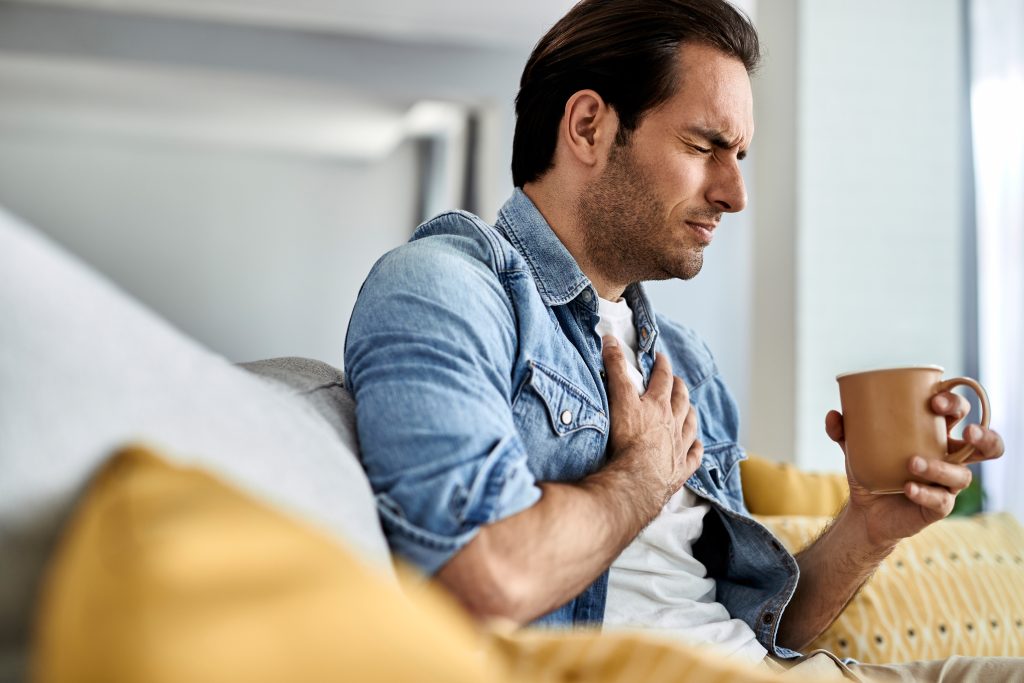
Alcohol doesn’t just cloud judgment or impair coordination. Instead, it systematically dismantles vital bodily functions with remarkable efficiency. Your heart, lungs, liver, and nervous system all bear the brunt of excessive consumption. Furthermore, chronic alcohol use triggers a cascade of physiological changes that manifest in ways both subtle and severe.
The cardiovascular system takes a particularly brutal hit. According to research published in Circulation, alcohol directly damages heart muscle tissue, leading to a condition called alcoholic cardiomyopathy [1]. This progressive weakening of the heart muscle reduces its ability to pump blood effectively. Consequently, you may experience chest tightness, irregular heartbeats, or that stabbing pain in your chest after drinking alcohol that sends you searching for answers at 3 a.m.
Beyond the heart itself, alcohol inflames the esophagus. This creates a burning sensation that many mistake for cardiac issues. The National Institute on Alcohol Abuse and Alcoholism notes that alcohol irritates the digestive tract’s lining, causing acid reflux and chest discomfort [2]. Therefore, understanding whether your chest hurts when you drink alcohol requires examining multiple bodily systems.
How Much Alcohol Is Too Much?
The Centers for Disease Control and Prevention defines moderate drinking as up to one drink per day for women and up to two drinks per day for men [3]. However, many individuals far exceed these guidelines without recognizing the danger.
Heavy drinking—defined as eight or more drinks per week for women and 15 or more for men—substantially increases health risks. Binge drinking, which involves consuming five or more drinks (for men) or four or more drinks (for women) within two hours, places immediate strain on your cardiovascular system. As a result, you might wonder why your chest hurts after a night of drinking.
Drinking Patterns and Health Risks
| Drinking Pattern | Definition | Primary Health Risks |
| Moderate | 1-2 drinks/day | Minimal cardiovascular impact |
| Heavy | 8-15+ drinks/week | Liver disease, heart damage |
| Binge | 4-5+ drinks/session | Acute cardiac stress, arrhythmias |
| Daily Excessive | 3+ drinks daily | Cardiomyopathy, organ failure |
Physical Warning Signs of Alcohol Use Disorder
Your body speaks volumes. Nevertheless, many people ignore its warnings until symptoms become unbearable. Alcohol use disorder manifests through distinct physical markers that progressively worsen without intervention. Recognizing these signs early can be lifesaving.
The National Cancer Institute emphasizes that alcohol consumption contributes to multiple health conditions, including cardiovascular complications [4]. Additionally, these warning signs often overlap, creating a complex web of symptoms that compound over time.
Chest Tightness or Pain
That uncomfortable pressure you feel isn’t imagination—it’s physiological reality. Chest pain while drinking alcohol occurs through several mechanisms. First, alcohol weakens the heart muscle directly. Second, it triggers acid reflux that mimics cardiac pain. Third, it causes dehydration and electrolyte imbalances that affect heart rhythm.
The sensation might feel like tightness, burning, or stabbing. Sometimes it radiates to your left arm or jaw. Other times, it’s a dull ache that persists for hours. Notably, this discomfort often worsens during or immediately after drinking sessions, though it can appear the day after as well.
Research in the Journal of Clinical Medicine reveals that alcohol-induced chest discomfort stems from both cardiac and non-cardiac causes [5]. Therefore, experiencing chest pain day after drinking warrants immediate medical evaluation. The distinction between heartburn and heart attack can be life-or-death.
Shortness of Breath
When breathing becomes laborious, anxiety often follows. Alcohol affects respiratory function in multiple ways. It depresses the central nervous system, slowing breathing rates. Moreover, it causes fluid accumulation in lung tissue—a condition called pulmonary edema.
Can alcohol cause shortness of breath? Absolutely. Heavy drinkers frequently report feeling winded during minimal exertion. They might wake gasping for air. Subsequently, this symptom often accompanies chest tightness after drinking alcohol, creating a frightening combination that mimics serious cardiac events.
Abdominal Pain or Swelling
The digestive system takes tremendous punishment from alcohol. Gastritis, pancreatitis, and liver inflammation all produce abdominal discomfort. Your stomach lining becomes irritated and inflamed. Eventually, this leads to persistent pain, bloating, and visible swelling.
Many people experience gut pain after drinking alcohol but dismiss it as normal. However, chronic abdominal pain signals significant organ damage. The liver, in particular, begins swelling as it struggles to process toxins. This creates a hard, distended feeling beneath your ribcage.
Numbness or Tingling in Extremities
Peripheral neuropathy—nerve damage in your hands and feet—develops insidiously. Initially, you might notice occasional tingling. Gradually, numbness spreads. Eventually, pain and weakness follow.
Alcohol depletes essential nutrients, particularly B vitamins crucial for nerve function. Furthermore, it directly damages nerve tissue through toxic metabolic byproducts. This double assault leaves nerves unable to transmit signals properly. Consequently, you lose sensation, coordination, and eventually, function.
Skin Changes
Your complexion reveals internal turmoil. Jaundice—yellowing of skin and eyes—indicates liver failure. Redness and broken capillaries across the nose and cheeks suggest chronic inflammation. Dry, flaky skin reflects dehydration.
Spider angiomas (small, spider-like blood vessels visible beneath the skin) commonly appear on the chest and face. These vascular changes aren’t merely cosmetic. Rather, they signal advanced liver disease and circulatory problems that require urgent intervention.
Unexplained Weight Loss or Gain
Alcohol disrupts metabolism profoundly. Some people lose weight rapidly as their body struggles to absorb nutrients. Others gain weight from alcohol’s empty calories and sugar content. Both extremes indicate metabolic dysfunction.
Malnutrition occurs even in overweight individuals with alcohol use disorder. The body cannot properly utilize consumed nutrients. Therefore, muscle wasting and weakness develop alongside weight changes.
Fatigue or Weakness
Perpetual exhaustion becomes the norm. You wake tired despite sleeping hours. Simple tasks feel overwhelming. Consequently, you reach for another drink to find energy—a destructive cycle that only deepens the problem.
This crushing fatigue results from multiple factors: disrupted sleep architecture, nutritional deficiencies, organ stress, and depression. Together, they create a debilitating state that affects every aspect of life.
Frequent Infections
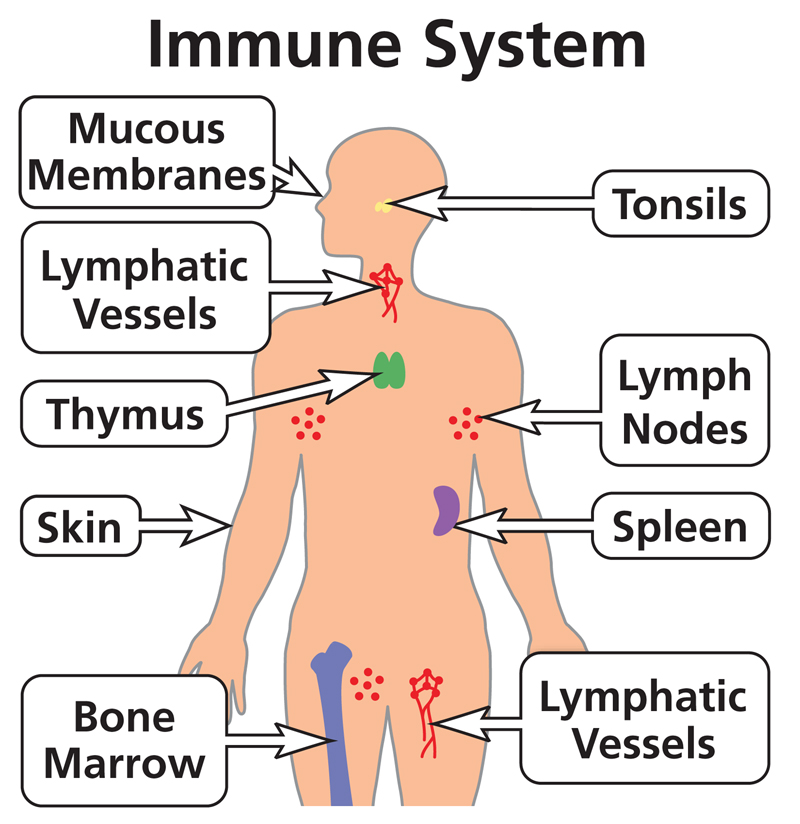
Alcohol cripples your immune system. White blood cells function poorly. Consequently, minor infections become major problems. You catch every cold circulating. Wounds heal slowly. Infections that healthy immune systems easily defeat become serious threats.
The National Institute on Alcohol Abuse and Alcoholism emphasizes that chronic alcohol exposure significantly impairs immune response [2]. This vulnerability extends to pneumonia, tuberculosis, and other respiratory infections—complications that can prove fatal for those with compromised systems.
Frequently Asked Questions
Why does my chest hurt when I drink alcohol?
Can alcohol cause chest tightness?
Is chest pain after drinking alcohol serious?
What helps with chest pain from alcohol?
How long does chest discomfort last after drinking?
Find Alcohol Addiction Treatment at New Beginnings
You don’t have to navigate this journey alone. At New Beginnings Detox & Recovery, we understand that chest pain after drinking alcohol represents just one symptom of a larger struggle. Our comprehensive approach addresses both the physical and psychological aspects of alcohol use disorder.
Our evidence-based treatment program begins with medically supervised detoxification. Subsequently, we provide individual and group therapy, medication-assisted treatment when appropriate, and holistic wellness activities. Additionally, we offer family support services and aftercare planning to ensure lasting recovery.
Located in a serene, supportive environment, our facility provides the perfect setting for healing. We accept most insurance plans and offer flexible payment options. Furthermore, our compassionate team works with you to develop a personalized treatment plan that addresses your unique needs and circumstances.
Your body has been sending signals. Now it’s time to listen. Recovery isn’t just possible—it’s within reach. Take the first step today by contacting New Beginnings Detox & Recovery. Together, we’ll help you reclaim your health, rebuild your life, and discover a future free from alcohol’s grip.
Contact us to learn more about our comprehensive addiction treatment programs. Your journey to recovery begins with a single decision.
References
[1] Piano, M. R., & Phillips, S. A. (2021). Alcoholic cardiomyopathy: Pathophysiologic insights. Circulation, 144(1), 73-89. – https://www.ahajournals.org/doi/10.1161/CIR.0000000000001341
[2] National Institute on Alcohol Abuse and Alcoholism. (2024). Alcohol’s effects on the body. U.S. Department of Health and Human Services. – https://www.niaaa.nih.gov/alcohols-effects-health/alcohols-effects-body
[3] Centers for Disease Control and Prevention. (2024). About alcohol use. U.S. Department of Health and Human Services. – https://www.cdc.gov/alcohol/about-alcohol-use/index.html
[4] National Cancer Institute. (2024). Alcohol and cancer risk fact sheet. National Institutes of Health. – https://www.cancer.gov/about-cancer/causes-prevention/risk/alcohol/alcohol-fact-sheet
[5] Piano, M. R. (2017). Alcohol’s effects on the cardiovascular system. Alcohol Research: Current Reviews, 38(2), 219-241. – https://pmc.ncbi.nlm.nih.gov/articles/PMC5513687/
[6] National Institute on Alcohol Abuse and Alcoholism. (2022). Alcohol and you: An interactive body. College Drinking Prevention. – https://www.collegedrinkingprevention.gov/special-features/interactive-body/alcohol-and-you-interactive-body-text
[7] Cleveland Clinic. (2024). Alcoholic cardiomyopathy. Cleveland Clinic Medical Center. – https://my.clevelandclinic.org/health/diseases/21994-alcoholic-cardiomyopathy