
Table of Contents
TL;DR
Prescription drug misuse is more common than most people realize — and more treatable than many believe. This article breaks down what prescription drug addiction treatment looks like, how it works, how long it takes, and what options are available. If you or someone you love is struggling, New Beginnings Recovery & Detox is here to help every step of the way.
The Danger You Didn’t See Coming
It starts with a prescription. Maybe it was for pain after a surgery, anxiety that got out of hand, or a sleep problem that just wouldn’t quit. Then, gradually, the line between use and misuse blurs — and before long, what was meant to help you is quietly holding you hostage. Prescription drug addiction treatment isn’t just for people who sought out drugs illegally; it’s for anyone caught in the grip of dependency on prescription medications they once took for legitimate reasons.

You’re not alone in this. According to the U.S. Department of Health and Human Services, prescription drug misuse is one of the most urgent public health challenges facing the country today. The good news? Effective prescription drug addiction treatment exists — and recovery is absolutely within reach.
What is Prescription Drug Addiction Treatment?
Prescription drug addiction treatment is a structured, clinically guided process designed to help individuals safely stop using prescription drugs they’ve become dependent on and build the tools needed to stay well long-term.
Contrary to what some people assume, prescription drug abuse doesn’t only look like someone recklessly chasing a high. Drug misuse — defined as using a prescribed medication in a way other than intended, in higher doses, or by someone it wasn’t prescribed for — can spiral into physical and psychological dependency quietly and over time. The Office of Disease Prevention and Health Promotion identifies prescription drug misuse as a significant public health concern, touching millions of lives across every demographic.
What Prescription Drug Addiction Treatment Addresses
- Physical dependency through medically supervised detox
- Psychological patterns through evidence-based therapy
- Underlying causes through dual-diagnosis care when mental health conditions co-occur
- Long-term stability through aftercare and relapse prevention planning
The Dangers of Prescription Drug Addiction
What are prescription drugs? They’re medications legally prescribed by a licensed physician to manage legitimate medical conditions — but certain medications carry a high risk for dependency. The most commonly misused categories include opioids (like oxycodone and hydrocodone), central nervous system depressants (such as benzodiazepines and sleep aids), and stimulants (like Adderall and Ritalin).
The short-term effects of prescription drugs used outside of their prescribed parameters can include euphoria, sedation, or heightened energy — effects that reinforce continued misuse. However, the long-term effects of prescription drugs are far more serious.
The Risks of Leaving Prescription Drug Addiction Untreated
Without prescription drug addiction treatment, prolonged misuse can lead to:
| Risk Category | Examples of Harm |
|---|---|
| Physical Health | Organ damage, cardiovascular complications, overdose |
| Mental Health | Worsening anxiety, depression, cognitive impairment |
| Relationships | Strained family dynamics, social isolation |
| Legal & Financial | Job loss, legal consequences, financial instability |
Furthermore, the National Drug Intelligence Center has documented how prescription drug abuse contributes to broader community harm, including diversion of prescription medications and increased demand on emergency services. Medication misuse — even when the substance was originally prescribed to you — is not a victimless situation. Your health, your relationships, and your future are all at stake.
How Does Prescription Drug Addiction Treatment Work?
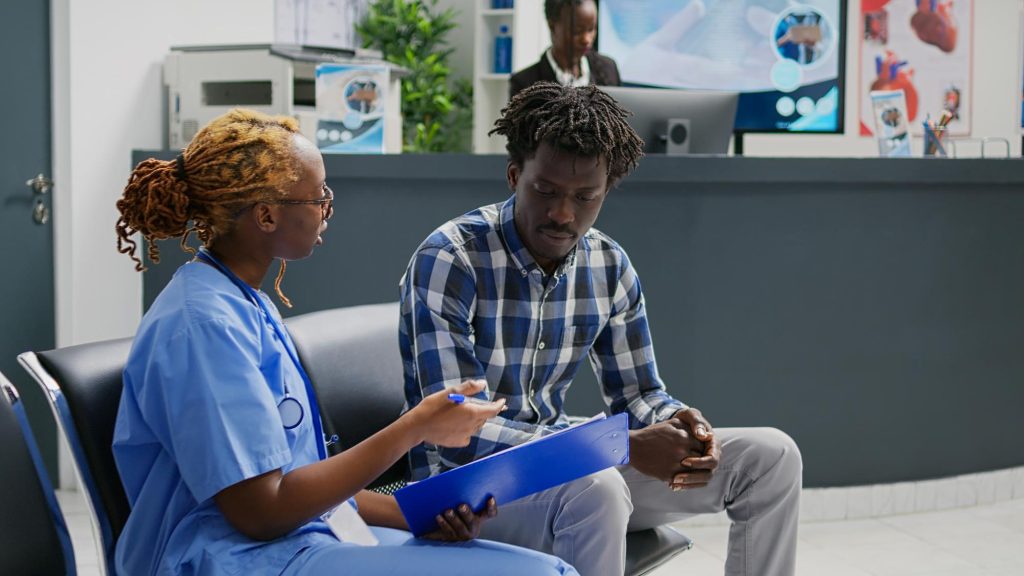
Effective prescription drug addiction treatment is rarely a single intervention. Instead, it’s a multi-phase process tailored to where you are and what you need.
Phase 1 — Medical Detox
Before therapy can begin, your body needs to be safely cleared of the substance. Medical detox is supervised by clinical staff who manage withdrawal symptoms, monitor vitals, and keep you as comfortable as possible throughout the process. Attempting to detox from certain prescription medications — especially benzodiazepines or opioids — without medical supervision can be dangerous, even life-threatening.
Phase 2 — Residential or Inpatient Treatment
Following detox, many individuals transition into residential treatment. This immersive level of care removes you from environments that may trigger drug misuse and surrounds you with therapeutic support around the clock. Individual counseling, group therapy, and holistic modalities all work together here.
Phase 3 — Intensive Outpatient or Partial Hospitalization
For those who need structured support but can manage some level of independence, intensive outpatient programs (IOP) or partial hospitalization programs (PHP) offer a middle ground. You attend treatment programming several hours per day while living at home or in sober living.
Phase 4 — Aftercare and Ongoing Support
Recovery from prescription drug addiction doesn’t end when formal treatment does. Aftercare planning — including 12-step programs, alumni groups, continued therapy, and community support — is a critical component of sustained recovery.
According to the National Institute on Drug Abuse, behavioral therapies remain among the most effective tools in prescription drug addiction treatment, helping individuals identify triggers, build coping strategies, and shift the patterns that perpetuate medication misuse.
Treatment Options for Prescription Drug Addiction
No two journeys through prescription drug addiction treatment are identical. The right path depends on the substance involved, the severity of dependency, co-occurring conditions, and your personal circumstances.
Common Treatment Modalities
- Cognitive Behavioral Therapy (CBT): Identifies and reframes thought patterns that drive medication abuse
- Medication-Assisted Treatment (MAT): Uses FDA-approved medications to reduce cravings and ease withdrawal, particularly in opioid addiction treatment
- Dialectical Behavior Therapy (DBT): Builds emotional regulation skills that support long-term recovery
- Motivational Interviewing (MI): A goal-oriented approach that strengthens personal commitment to change
- Holistic Therapies: Yoga, mindfulness, nutrition support, and fitness programming that support whole-person wellness
- Dual Diagnosis Treatment: Addresses co-occurring mental health conditions alongside prescription drug addiction
The Drug Enforcement Administration’s resource hub notes that understanding the full scope of prescription drug abuse — including the specific substances involved — is essential to matching individuals with the right level and type of care.
How Long Does Prescription Drug Addiction Treatment Take?
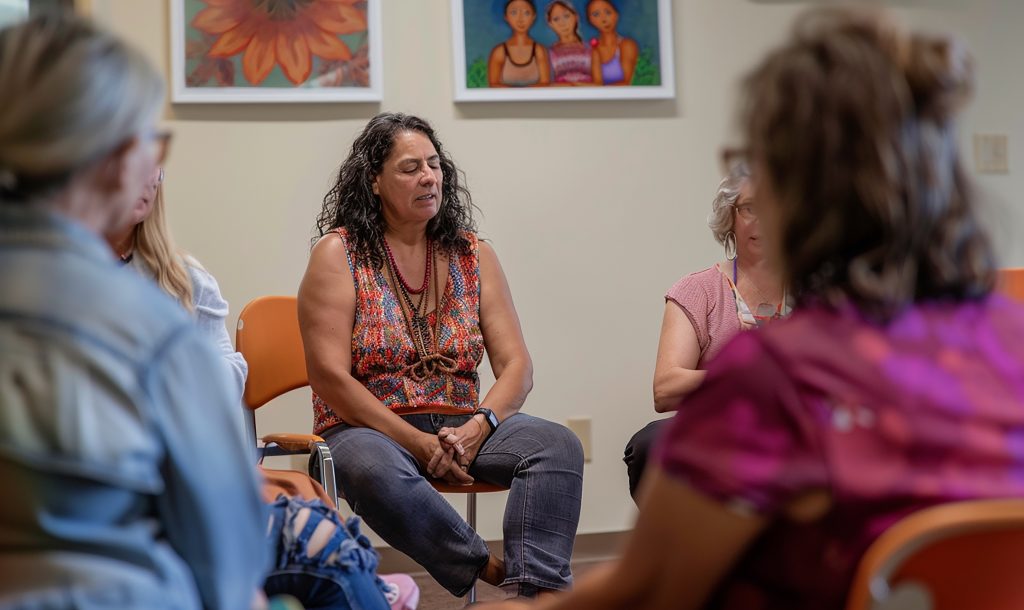
This is one of the most common questions people ask when they’re considering prescription drug addiction treatment — and the honest answer is that it varies. There’s no universal timeline, but research and clinical best practices offer useful benchmarks.
General Timelines by Level of Care
- Detox: Typically 5–10 days, depending on the substance and severity of physical dependency
- Residential Treatment: Commonly 30, 60, or 90 days — longer stays are associated with better outcomes
- Outpatient Programming: Can continue for several months alongside daily life
- Ongoing Recovery Support: Many people benefit from continuing care for a year or more post-treatment
The CDC’s data on prescription drug use underscores how deeply prescription medications have become embedded in American life — which also means that dependency patterns can be deeply ingrained. Sustained prescription drug addiction treatment, rather than a quick fix, is generally what creates lasting change.
Think of it less like a sprint and more like building a new architecture for your life. Solid foundations take time — and they’re worth it.
How to Access Prescription Drug Rehab
Taking the first step toward prescription drug addiction treatment can feel overwhelming. But accessing care doesn’t have to be complicated.
Steps to Get Started
- Call a treatment center directly. Many facilities offer 24/7 admissions lines staffed by compassionate professionals who can walk you through options immediately.
- Verify your insurance. Most treatment programs work with major insurance providers. Coverage for prescription drug addiction treatment has expanded significantly under the Affordable Care Act.
- Ask about assessment and placement. A clinical assessment helps determine the right level of care — detox, residential, outpatient — based on your specific situation.
- Bring your support system in. Recovery is stronger when family and loved ones are involved. Many programs offer family therapy as part of the process.
- Don’t wait for rock bottom. The symptoms of prescription drug addiction — escalating tolerance, withdrawal when you stop, preoccupation with the next dose — are reason enough to seek help now.
There’s no perfect moment to begin prescription drug addiction treatment. The right time is simply when you’re ready to start.
Frequently Asked Questions
What is the difference between drug misuse and drug abuse?
Drug misuse refers to using a prescribed medication in a way other than intended — such as taking higher doses or using it more frequently than directed. Drug abuse typically implies a pattern of use that is clearly harmful and often compulsive. Both can escalate into dependency and both warrant professional attention.
What are the symptoms of prescription drug addiction?
Common symptoms include increasing tolerance (needing more of the drug for the same effect), withdrawal symptoms when the drug is stopped, preoccupation with obtaining and using the medication, neglecting responsibilities, and continued use despite negative consequences.
Is taking someone else’s prescription medication illegal?
Yes. Taking someone else’s prescription medication is illegal in the United States, regardless of intent. Beyond the legal risk, it’s also dangerous — prescribed medications are dosed for specific individuals based on their health profile.
What are the most commonly abused prescription drugs?
The three most commonly misused categories are opioid pain relievers (such as oxycodone and hydrocodone), central nervous system depressants (benzodiazepines and sleep medications), and stimulants (such as Adderall and Ritalin). Prescription drug addiction treatment approaches differ by substance type.
What is the difference between misuse and addiction?
Misuse refers to using a medication outside of its intended parameters. Addiction — or substance use disorder — is a chronic, compulsive pattern of use that persists despite serious negative consequences and is characterized by physical and psychological dependency. Misuse can, and frequently does, lead to full-blown addiction.
Prescription Drug Addiction Treatment at New Beginnings
Recovery doesn’t begin with a dramatic breakthrough moment. Often, it begins with a single honest conversation. At New Beginnings Recovery & Detox, we’ve built our entire program around that truth — that people struggling with prescription drug addiction deserve compassion, clinical excellence, and a team that meets them exactly where they are.
Our facility offers a full continuum of prescription drug addiction treatment services, from medically supervised detox through residential treatment and structured outpatient programming. We understand that behind every pill bottle and every pattern of prescription drug misuse is a person who deserves more than a label — they deserve a real path forward.
What sets our approach apart? We treat the whole person. That means addressing not just the physical dependency, but the underlying conditions, the trauma, the grief, and the coping patterns that may have made certain medications feel like the only way through. Our clinical team is experienced in treating opioid dependency, benzodiazepine addiction, stimulant misuse, and more.
When you’re ready to take that step, contact us and let us help you figure out what comes next. Our admissions team is available around the clock, and your conversation with us is completely confidential. Contact us today — because your new beginning doesn’t have to wait.
Sources
[1] U.S. Department of Health and Human Services, Office of Disease Prevention and Health Promotion. Misuse of Prescription Drugs Research Report. – https://odphp.health.gov/healthypeople/tools-action/browse-evidence-based-resources/misuse-prescription-drugs-research-report
[2] Centers for Disease Control and Prevention, National Center for Health Statistics. Prescription Drug Use in the United States. – https://www.cdc.gov/nchs/hus/topics/rx-drug-use.htm
[3] National Drug Intelligence Center, U.S. Department of Justice. Prescription Drug Abuse and Diversion. – https://www.justice.gov/archive/ndic/pubs5/5140/index.htm
[4] National Institute on Drug Abuse. Prescription Drug Abuse Research Report. – https://nida.nih.gov/sites/default/files/rxreportfinalprint.pdf
[5] U.S. Department of Health and Human Services, Office of the Surgeon General. Addiction and Substance Misuse Reports and Publications. – https://www.hhs.gov/surgeongeneral/reports-and-publications/addiction-and-substance-misuse/index.html
[6] Drug Enforcement Administration. Prescription Drug Abuse. Get Smart About Drugs. – https://www.getsmartaboutdrugs.gov/content/prescription-drug-abuse