Introduction
In the shadow of California’s sprawling valleys, methamphetamine has quietly woven itself into countless lives—transforming individuals and fracturing families. Recognizing the signs of a meth addict isn’t about judgment; rather, it’s about understanding and intervention that could save a life.
What Is Meth?
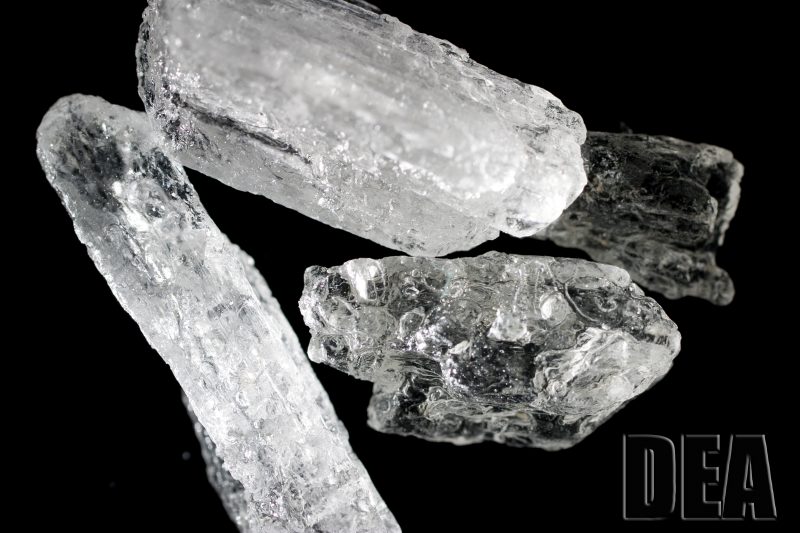
Methamphetamine—often called crystal, ice, or meth—stands as one of the most potent stimulants in existence. Consequently, this crystalline substance can be smoked, snorted, injected, or swallowed, delivering an immediate rush of euphoria. Furthermore, the drug floods the brain with dopamine, creating intense pleasure while wreaking havoc on body and mind.
Is Meth Addictive?
Absolutely. Methamphetamine ranks among the most addictive substances known to science. Moreover, research from the National Institute on Drug Abuse reveals users can develop dependence after just a single use [1]. The drug’s powerful impact on dopamine receptors creates almost immediate psychological dependency, making addiction frighteningly rapid.
When Does Use Become an Addiction?
The transition from experimentation to meth addiction symptoms occurs faster than most imagine. Key indicators include using larger amounts than intended, failed quit attempts, and continuing despite negative consequences. Additionally, addiction manifests when individuals can no longer control their use, spending most of their time obtaining and using the substance while neglecting work, relationships, and health.
Early Warning Signs of Crystal Meth Use
Physical Early Warning Signs
The body responds quickly to methamphetamine, displaying several telltale indicators. First and foremost, users often exhibit dilated pupils, rapid weight loss, and sleep disruptions lasting days. Additionally, other physical early warning signs include excessive sweating, rapid eye movement, facial tics, unexplained burns on fingers or lips, and sudden dental problems.
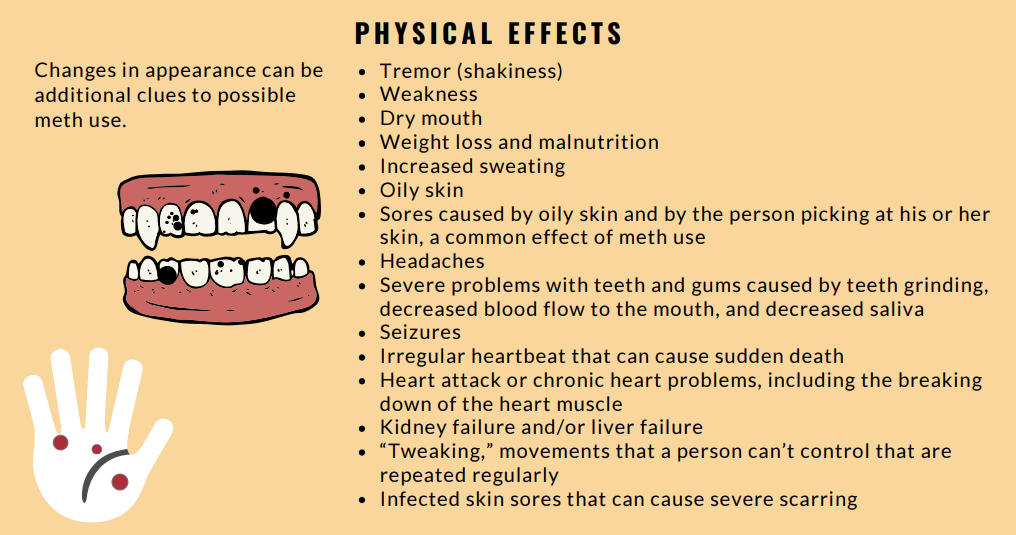
Furthermore, individuals develop skin issues as meth causes intense itching, leading to compulsive scratching. These behaviors result in open sores and scabs, particularly on the face and arms—clear physical signs of meth use.
Behavioral Early Warning Signs
Beyond physical manifestations, behavioral changes emerge as the most noticeable indicators. For instance, crystal meth users become hyperactive, exhibiting frantic energy and engaging in repetitive, purposeless activities for hours. Additionally, behavioral warning signs encompass dramatic mood swings, increased talkativeness, secretive behavior, neglected hygiene, financial problems, and aggressive or paranoid reactions.
Physical Indicators of Crystal Meth Users
As use continues, physical indicators become increasingly pronounced. Understanding what does someone on meth look like helps identify those needing intervention.
| Physical Indicator | Description | Timeline |
| “Meth Face” | Premature aging, sunken features | 6-12 months |
| “Meth Mouth” | Severe tooth decay, broken teeth | 3-6 months |
| “Meth Hands” | Skin lesions, burns, tremors | 1-3 months |
| Extreme Weight Loss | Malnourishment, muscle wasting | 1-6 months |
Specifically, “meth face” refers to the gaunt, aged appearance users develop—a result of malnutrition, dehydration, and obsessive skin picking.
Short-Term Health Effects and Risks of Meth Use
Even brief encounters carry significant risks. Immediately following use, heart rate and blood pressure spike dramatically, while body temperature rises dangerously. Additionally, short-term effects include increased wakefulness, decreased appetite, irregular heartbeat, severe dental problems, and psychotic symptoms including hallucinations and paranoia. Furthermore, these meth symptoms can emerge after just one use.
Long-Term Effects and Risks of Meth Use
Prolonged use unleashes devastation across every aspect of health. Consequently, chronic users face permanent blood vessel damage, liver and kidney problems, respiratory issues, cognitive impairments, and increased Parkinson’s disease risk. Additionally, research indicates methamphetamine causes structural brain changes affecting emotion and memory that persist for months or years.
Early vs Late Stage Comparison
| Aspect | Early Stage | Late Stage |
| Physical Appearance | Mild weight loss, increased energy | Severe emaciation, aged appearance |
| Dental Health | Beginning decay | “Meth mouth”—severe decay, tooth loss |
| Mental State | Euphoria, hyperactivity | Paranoia, hallucinations, psychosis |
| Social Functioning | Some maintained relationships | Complete isolation |
This progression underscores why early intervention matters profoundly.
Key Signs of Addiction
Primary indicators include tolerance, withdrawal symptoms, failed quit attempts, and prioritizing meth over everything else. Moreover, individuals continue use despite health problems, legal issues, and relationship damage. This denial represents a hallmark of substance use disorders.
Meth Addiction Symptoms
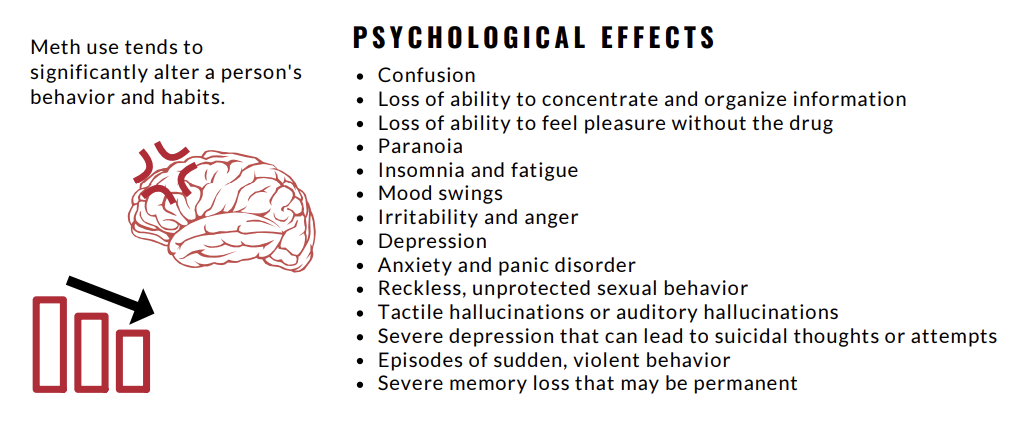
Beyond physical signs, meth addiction symptoms encompass psychological and social dimensions. Psychologically, individuals experience severe mood disturbances, depression, anxiety, and violent outbursts. Socially, symptoms include job loss, financial ruin, legal problems, destroyed relationships, and involvement in dangerous activities. These symptoms collectively paint a picture of a life overtaken by dependence.
Behavioral Changes in Users
Key Behavioral Changes
How do people act on meth? The behavioral transformation can be dramatic. Observable changes include constant hyperactivity and restlessness, increased aggression, compulsive repetitive behaviors, “tweaking” (zombie-like states without sleep), paranoia, hallucinations, and dangerous risk-taking. Furthermore, individuals develop obsessive tendencies, fixating on tasks for hours while accomplishing nothing constructive.
Meth Withdrawal
When someone stops using, their body undergoes significant adjustment. Consequently, meth withdrawal produces uncomfortable symptoms including extreme fatigue, increased appetite, severe depression and suicidal thoughts, intense cravings, and anxiety. Additionally, the withdrawal timeline varies, with acute symptoms lasting 7-10 days and psychological symptoms persisting for weeks or months.
Methamphetamine Overdose
Perhaps the most immediate concern, overdose occurs when someone takes more than their body can process. Signs include chest pain, irregular heartbeat, difficulty breathing, extremely high body temperature, seizures, and loss of consciousness. Importantly, overdose constitutes a medical emergency—call 911 immediately if suspected.
Meth Addiction Treatment
Recovery is challenging but entirely possible with proper support. At New Beginnings Detox & Recovery in Sylmar, California, we understand the unique challenges meth presents. Our small facility accommodates just six residents, ensuring personalized attention throughout your journey.
We begin with medically supervised detox, helping you safely navigate withdrawal symptoms. Subsequently, our residential treatment provides the structured environment necessary for sustainable recovery. Treatment includes individual and group therapy, dual diagnosis treatment for co-occurring mental health conditions, holistic wellness activities like yoga and meditation, family programs, and life skills training.
Furthermore, our peaceful Sylmar location provides the perfect backdrop for transformation—away from triggers and stressors. Here, you’ll enjoy nutritious, chef-prepared meals while focusing entirely on recovery. Our experienced team brings compassion to every interaction, and our 24/7 admissions team stands ready to guide you through the process.
Frequently Asked Questions
How can you tell if someone is on meth right now?
Can someone recover from long-term meth use?
How long does meth stay in someone’s system?
What’s the difference between powder and crystal meth?
Can family members force someone into treatment?
Conclusion
Recognizing the signs of a meth addict empowers you to act with compassion and purpose. Whether you’re concerned about a loved one or recognizing these signs in yourself, understanding represents the crucial first step toward healing.
At New Beginnings Detox & Recovery, we’ve witnessed countless individuals reclaim their lives. Recovery begins with a single decision—reaching out for help. Our caring team stands ready 24/7 to guide you toward a new beginning. Don’t wait until the signs become irreversible. Contact us today and discover how personalized, compassionate care can make all the difference in your recovery journey.
References
[1] National Institute on Drug Abuse. (2024). Methamphetamine Research Topics – https://nida.nih.gov/research-topics/methamphetamine
[2] Substance Abuse and Mental Health Services Administration. (2024). Stimulant Use Education and Resources – https://www.samhsa.gov/substance-use/learn/stimulants
[3] Centers for Disease Control and Prevention. (2020). Increases in Methamphetamine Deaths: Overview of Data and Response – https://www.cdc.gov/mmwr/volumes/69/wr/mm6912a1.htm
[4] MedlinePlus. (2024). Methamphetamine Information and Health Effects – https://medlineplus.gov/methamphetamine.html
[5] National Center on Substance Abuse and Child Welfare. (2021). Methamphetamine Use: A Guide for Parents and Caregivers – https://ncsacw.acf.gov/files/meth-tip-sheet-parent.pdf
[6] Drug Enforcement Administration. (2020). 2020 National Drug Threat Assessment: Methamphetamine – https://www.dea.gov/sites/default/files/2020-06/Methamphetamine-2020_0.pdf
[7] National Center for Biotechnology Information. (2023). Methamphetamine Toxicity Clinical Presentation – https://www.ncbi.nlm.nih.gov/books/NBK535356/