TL;DR
Yes, cocaine can kill you—and it doesn’t always take repeated use. Even first-time users face the risk of sudden cardiac arrest, stroke, or respiratory failure. The lethal dose varies dramatically based on individual factors like body weight, tolerance, and pre-existing conditions. Furthermore, cocaine’s unpredictable potency and common adulterants make every use potentially fatal. Overdose symptoms include chest pain, seizures, extreme agitation, and difficulty breathing. Immediate medical attention can save lives. If you or someone you love struggles with cocaine use, professional treatment provides the safest path to recovery.
Introduction
The question “can cocaine kill you” demands an unflinching answer: absolutely. This powerful stimulant doesn’t discriminate between casual experimenters and chronic users. Moreover, the substance’s deadly potential extends far beyond what many people imagine. Each line, each hit, represents a dangerous gamble with your cardiovascular system, neurological health, and ultimately, your life. Understanding cocaine’s lethal mechanisms isn’t just academic—it’s potentially life-saving information that everyone should know.

Can Cocaine Kill You Immediately?
Yes, can cocaine kill you on the very first use? Tragically, the answer is yes. Sudden death from cocaine can occur within minutes of consumption, catching users completely off guard. The drug triggers a cascade of physiological responses that can overwhelm even healthy bodies. Consequently, first-time users often underestimate the immediate danger they face.
Cocaine’s immediate lethality stems from its profound effects on the heart and brain. The substance causes blood vessels to constrict rapidly while simultaneously increasing heart rate and blood pressure to dangerous levels. Additionally, these cardiovascular changes can precipitate fatal heart attacks or strokes in users of any age. According to research published in the National Library of Medicine, cocaine-related cardiovascular complications account for a significant proportion of emergency department visits. [1]
The unpredictability is particularly terrifying. You might use cocaine socially at a party and experience sudden cardiac arrest minutes later. Furthermore, mixing cocaine with other substances—especially alcohol, which creates the toxic metabolite cocaethylene—exponentially increases the risk of immediate death. The DEA reports that cocaine purity levels vary wildly on the street, making each dose a potentially lethal roulette. [4]
How Dangerous Is Cocaine? Can It Kill You Immediately?
The question of how deadly is cocaine goes beyond simple statistics. This substance ranks among the most dangerous recreational drugs precisely because it attacks multiple organ systems simultaneously. Therefore, understanding the full scope of cocaine’s dangers requires examining both immediate and cumulative risks.
When you ask “can cocaine kill you” in the context of danger levels, consider this: cocaine causes more emergency department visits than almost any other illicit drug. The substance damages the heart muscle over time, even in young users without pre-existing conditions. Moreover, each use potentially triggers life-threatening cardiac arrhythmias that can prove fatal within seconds.
Beyond cardiovascular dangers, cocaine poses severe neurological threats. Strokes can occur at any age following cocaine use, particularly in individuals with undiagnosed vascular abnormalities. The Better Health Channel notes that cocaine significantly increases stroke risk, even in young, seemingly healthy individuals. [3] Additionally, cocaine can cause seizures that lead to respiratory failure and death.
Common Immediate Dangers Include:
- Sudden cardiac arrest
- Ischemic and hemorrhagic strokes
- Hyperthermia (dangerously elevated body temperature)
- Respiratory depression
- Violent seizures
- Acute kidney failure
The reality is stark: cocaine can be fatal regardless of the amount consumed or method of administration. Snorting, smoking, or injecting all carry potentially deadly risks.
How Much Cocaine Is Lethal?
The question “how much cocaine is lethal” lacks a simple answer because lethal dose varies dramatically between individuals. Nevertheless, understanding general parameters helps illustrate the drug’s danger. The lethal dose of cocaine for an average adult typically ranges from 1.2 to 1.5 grams when taken all at once, though fatalities have occurred with significantly smaller amounts.
Individual factors profoundly influence cocaine’s lethality. Body weight, cardiovascular health, tolerance levels, and genetic variations in drug metabolism all play crucial roles. Consequently, what proves survivable for one person might prove fatal for another. Research in NCBI’s BookShelf indicates that cocaine toxicity depends heavily on individual physiological responses. [2]
Factors Affecting Lethal Dosage:
| Factor | Impact on Lethality |
|---|---|
| Body Weight | Lower weight increases overdose risk |
| Tolerance | Regular users may survive higher doses |
| Pre-existing Conditions | Heart disease dramatically lowers lethal threshold |
| Purity | Unknown street purity makes every dose unpredictable |
| Route of Administration | IV use creates fastest, most dangerous effects |
| Polydrug Use | Combining substances lowers lethal dose significantly |
Can cocaine kill you with just a small amount? Absolutely. First-time users have died from doses that experienced users might survive. Furthermore, the presence of fentanyl or other adulterants in street cocaine has created a new deadly variable. You simply cannot know what you’re actually consuming, which makes every use potentially fatal.
The cocaine overdose amount that proves lethal isn’t always massive. In fact, deaths have occurred from what users considered “moderate” recreational doses. This unpredictability underscores why the question “how much cocaine can kill you” has no safe answer—there is no safe amount.
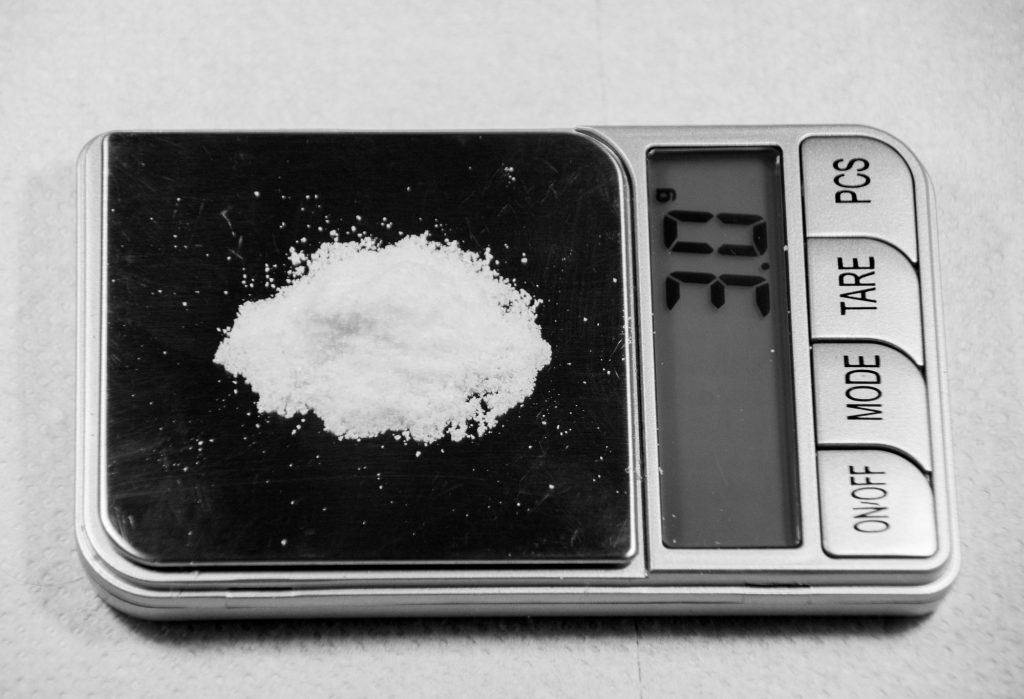
Cocaine-Related Deaths Causes
Understanding how cocaine kills provides crucial insight into its dangers. Can cocaine cause death through multiple mechanisms? Indeed, cocaine deaths occur through various physiological pathways, each potentially rapid and devastating. Therefore, recognizing these mechanisms helps explain why cocaine proves so consistently lethal.
Primary Causes of Cocaine Deaths:
Cardiovascular Collapse: The most common pathway involves cardiac arrest or severe arrhythmias. Cocaine forces the heart to work harder while simultaneously constricting coronary arteries, creating a deadly mismatch between oxygen demand and supply. Consequently, myocardial infarction (heart attack) frequently occurs, even in young users with no prior cardiac history.
Stroke: Both ischemic strokes (blocked blood vessels) and hemorrhagic strokes (ruptured blood vessels) occur with alarming frequency among cocaine users. The drug’s blood pressure spike can rupture weakened blood vessels in the brain, causing immediate death or severe disability. Additionally, cocaine promotes blood clot formation, increasing ischemic stroke risk.
Hyperthermia and Metabolic Failure: Cocaine disrupts the body’s temperature regulation, potentially causing fatal overheating. This hyperthermia triggers a cascade of organ failures, particularly affecting the kidneys and liver. Moreover, the resulting metabolic crisis can prove irreversible even with medical intervention.
Respiratory Failure: While less common than cardiac events, respiratory depression represents another lethal pathway. Cocaine can paralyze breathing reflexes, particularly when combined with opioids or alcohol. Furthermore, seizures triggered by cocaine can lead to aspiration and suffocation.
Toxic Adulterants: How many people die from cocaine isn’t just about the drug itself anymore. Fentanyl contamination has dramatically increased cocaine deaths in recent years. Users unknowingly consume lethal opioids mixed with their cocaine, leading to rapid respiratory arrest. [1]
The multifaceted nature of cocaine-related deaths makes the substance particularly dangerous. You cannot predict which lethal mechanism might strike during any particular use.
Signs of a Cocaine Overdose
Recognizing cocaine overdose signs can mean the difference between life and death. When someone asks “can you die from cocaine overdose,” the answer is unequivocally yes—but immediate medical intervention can save lives. Therefore, knowing what to look for becomes critically important for anyone around cocaine users.
Physical Signs and Symptoms of Cocaine Overdose:
- Cardiovascular Symptoms: Chest pain, rapid or irregular heartbeat, profoundly elevated blood pressure, and signs of heart attack
- Neurological Symptoms: Severe headaches, seizures, tremors, loss of consciousness, and stroke symptoms
- Respiratory Symptoms: Difficulty breathing, rapid breathing, or complete respiratory arrest
- Temperature Dysregulation: Dangerously high body temperature, excessive sweating
- Mental Status Changes: Extreme agitation, paranoia, confusion, delirium, or hallucinations
Additionally, less obvious signs deserve attention. Pale or blue-tinged skin indicates poor circulation and oxygen deprivation. Dilated pupils that don’t respond to light suggest serious neurological compromise. Moreover, the person might experience severe nausea and vomiting, which could lead to aspiration if consciousness becomes impaired.
Behavioral Red Flags:
The person might display erratic, violent, or highly agitated behavior before losing consciousness. They may clutch their chest or express feeling like they’re dying. Furthermore, some overdose victims experience a brief period of extreme energy before sudden collapse—a particularly dangerous sign that medical help is needed immediately.
Can you die from a cocaine overdose suddenly? Yes, and the progression can be shockingly rapid. What appears manageable can deteriorate into a life-threatening emergency within minutes. Consequently, any suspicion of overdose demands immediate emergency response.

What To Do During a Cocaine Overdose
Knowing how to treat cocaine overdose as a bystander can save someone’s life. When you’re wondering “can cocaine kill you” while watching someone overdose, the answer depends partly on how quickly you act. Therefore, understanding appropriate emergency responses becomes essential.
Immediate Actions:
- Call 911 Immediately: Don’t wait to see if symptoms improve. Explain that you suspect a cocaine overdose and describe the person’s symptoms clearly. Emergency responders need this information to prepare appropriate interventions.
- Keep the Person Calm (If Conscious): Agitation worsens cocaine’s cardiovascular effects. Speak in calm, reassuring tones. Try to keep them seated or lying down to reduce cardiac workload. However, never restrain someone forcibly, as this increases their distress and physical danger.
- Monitor Vital Signs: Check breathing and pulse continuously. If the person stops breathing or loses a pulse, begin CPR if you’re trained. Moreover, position unconscious victims on their side to prevent choking if vomiting occurs.
- Manage the Environment: Move the person to a cool, quiet space if possible. Remove tight clothing to help temperature regulation. Furthermore, clear the area of anything they might injure themselves on during seizures.
- Don’t Give Anything by Mouth: Never try to make the person vomit or give them food, water, or other drugs. These interventions can worsen the situation or create additional complications.
What NOT to Do:
- Never leave the person alone
- Don’t put them in a cold bath (can cause shock)
- Don’t give them stimulants like coffee
- Don’t wait for someone else to call 911
- Don’t hide drug paraphernalia from paramedics (they need accurate information)
Can cocaine be fatal without medical intervention? Almost certainly, when overdose symptoms appear. Professional medical treatment provides the only reliable chance of survival during severe cocaine toxicity. Paramedics can administer benzodiazepines to control seizures, manage blood pressure, and provide cardiac support that bystanders simply cannot offer.
FAQs – Frequently Asked Questions
Can you die from cocaine on your first use?
How does cocaine kill you?
Is cocaine fatal when mixed with alcohol?
What is the lethal amount of cocaine?
Can pure cocaine kill you?
Cocaine Addiction Treatment at New Beginnings
If you’re asking “can cocaine kill you” because you’re struggling with addiction, you already know the answer—and you understand the urgency of getting help. At New Beginnings Recovery & Detox, we’ve built our entire program around one fundamental truth: you deserve to survive, and you deserve to thrive.
We understand that cocaine addiction isn’t a moral failing—it’s a powerful disease that hijacks your brain’s reward system and can kill you before you’re ready to stop. Our comprehensive treatment approach addresses both the immediate dangers and the underlying factors driving your use. Moreover, our 24/7 medical supervision ensures your safety throughout the detoxification process and beyond.
Our Treatment Approach Includes:
- Medical Detoxification: Supervised withdrawal management with medication support to ease discomfort and prevent complications
- Individual Therapy: Evidence-based approaches including cognitive behavioral therapy to address addiction’s psychological components
- Group Counseling: Peer support that helps you connect with others who understand your struggle
- Holistic Therapies: Complementary treatments that support physical and emotional healing
- Aftercare Planning: Comprehensive discharge planning to support long-term recovery
The evidence is clear: professional treatment dramatically improves survival and recovery outcomes. According to research on stimulant use disorders, structured treatment programs provide the most effective path to lasting recovery. [2] Furthermore, our individualized approach recognizes that your addiction story is unique, and your treatment plan should be too.
You don’t have to gamble with your life anymore. Can cocaine kill you? Yes—but it doesn’t have to. Treatment works, recovery is possible, and you can reclaim your future. We’re here 24/7 to help you take that first, life-saving step toward freedom from addiction.
Contact us today at New Beginnings Recovery & Detox or reach out through our contact page to speak with a compassionate admissions coordinator who can answer your questions and help you begin your recovery journey immediately.
Sources
[1] Ritz, M. C., Cone, E. J., & Kuhar, M. J. (1990). Cocaine inhibition of ligand binding at dopamine, norepinephrine and serotonin transporters: a structure-activity study. Life Sciences, 46(9), 635-645. https://pubmed.ncbi.nlm.nih.gov/3819672/
[2] National Center for Biotechnology Information. (2024). Cocaine Toxicity. In StatPearls. Treasure Island (FL): StatPearls Publishing. https://www.ncbi.nlm.nih.gov/books/NBK430976/
[3] Better Health Channel. (2024). Cocaine. State Government of Victoria, Australia. https://www.betterhealth.vic.gov.au/health/healthyliving/cocaine
[4] U.S. Drug Enforcement Administration. (2024). Cocaine Fact Sheet. https://www.dea.gov/factsheets/cocaine