
Supporting mental recovery after stroke requires a multi-faceted approach that you’ll need to implement consistently. Focus on combining mindfulness practices, cognitive exercises, and therapeutic physical activities while maintaining strong social connections. Work with mental health professionals to address post-stroke depression and anxiety, and engage in dual-task training to rebuild cognitive function. Utilize technology-assisted rehabilitation tools and positive psychology techniques. These evidence-based strategies form the foundation of a thorough recovery plan that extends far beyond basic rehabilitation.
Understanding the Mind-Body Connection in Stroke Recovery

When a stroke occurs, the brain immediately begins a remarkable process of neural reorganization, allowing new pathways to form and lost functions to potentially recover. This neural plasticity is most active during the first three months, making early rehabilitation essential for maximizing your recovery potential. Mind-body movements like Tai Chi, yoga, and Qigong have proven highly effective for balance rehabilitation in stroke survivors. Your body awareness plays an important role in this recovery process. Nearly fifty percent of survivors experience impairments in their sensory perception after stroke. As new neural pathways develop, you’ll likely experience improvements in sensation, motor function, and overall body awareness. Research shows that combining physical therapy with mental practice, where you visualize movement,s activates similar brain regions as actual movement. This mind-body connection is powerful: studies confirm that mental rehearsal, when paired with physical rehabilitation, enhances your recovery outcomes. Understanding this connection helps explain why practices like Tai Chi and yoga can greatly improve both physical function and emotional well-being post-stroke. Functional MRI studies have demonstrated that mental practice triggers increased blood flow in the brain’s motor centers, similar to performing actual physical tasks.
Building Resilience Through Mindfulness and Stress Management
Building resilience after a stroke begins with daily mindful breathing exercises, which research shows can reduce anxiety and improve cognitive function during recovery. You’ll want to establish consistent stress-relief routines, incorporating evidence-based practices like modified MBSR programs that have demonstrated measurable improvements in post-stroke anxiety and depression. Progressive muscle relaxation techniques, when practiced regularly, can help you manage post-stroke spasticity while fostering the mind-body connection essential for thorough rehabilitation. Recent studies indicate that practicing executive function tasks can enhance cognitive performance during recovery. The average participant in mindfulness studies maintained an impressive 12.5 days of meditation practice over a two-week period, demonstrating a strong commitment to their mental recovery journey. Group-based mindfulness training sessions can provide vital social support networks that enhance the effectiveness of recovery practices.
Practice Daily Mindful Breathing
Since mindful breathing offers profound neuropsychological benefits for stroke recovery, incorporating this practice into your daily routine can greatly enhance your mental well-being. Research shows that just 10 minutes of daily breathing techniques can reduce anxiety, depression, and mental fatigue while improving cognitive function and emotional regulation. A combination of spiritual mindfulness elements has demonstrated significant effectiveness in improving post-stroke mental health outcomes. Accepting that mind wandering occurs is a normal part of developing your meditation practice. Studies indicate that sleep disorders affect more than half of stroke patients, making mindful breathing particularly valuable for improving rest and recovery.
| Benefit Category | Impact | Scientific Evidence |
|---|---|---|
| Mental Health | Reduces anxiety & depression | p=0.000, η²=0.643 |
| Brain Function | Enhances attention & memory | Improved neuroplasticity |
| Physical Health | Lowers blood pressure | η²=0.263 |
| Recovery Support | Reduces spasticity | Statistically significant |
You’ll find mindfulness practices particularly accessible as they don’t require equipment and can be adapted to your mobility level. Regular practice activates your parasympathetic nervous system, promoting relaxation and supporting both cognitive and emotional recovery during your rehabilitation journey.
Develop Stress-Relief Routines
Through consistent stress-relief routines, stroke survivors can greatly enhance their mental resilience and recovery outcomes. Studies show that combining visualization techniques with gentle movement creates a powerful foundation for stress management. One-third of stroke patients experience language difficulties that can complicate their recovery journey. You’ll benefit most by practicing visualization in a quiet space, focusing on multiple sensory details while imagining peaceful environments. Creating calming bedtime rituals before sleep helps promote restorative rest essential for healing.
Incorporate low-impact activities like stretching or modified yoga into your daily routine, as these promote endorphin release and support neurological repair. Research demonstrates that Mindfulness-Based Stress Reduction approaches yield significant benefits for post-stroke recovery. You can strengthen your practice by adding positive psychology elements, such as gratitude exercises or journaling. Prioritize quality sleep by establishing a consistent bedtime routine and minimizing environmental disruptions. When you’re ready, consider joining stroke support groups to share coping strategies and gain emotional validation from peers with similar experiences.
Master Progressive Muscle Relaxation
When practiced consistently, Progressive Muscle Relaxation (PMR) offers stroke survivors a powerful tool for reducing anxiety and enhancing mindfulness during recovery. This evidence-based technique systematically improves muscle awareness through a sequence of tension and release exercises, starting from either your head or feet. Begin by wearing loose clothing to avoid any restrictions during the practice. Pioneered by Edmund Jacobson in 1920, this method has stood the test of time in promoting both physical and mental well-being.
To maximize PMR’s benefits, find a quiet space and follow a guided recording. You’ll tense each muscle group for 5 seconds, then relax for 10-20 seconds, paying close attention to the physical sensations. This practice not only lowers blood pressure and improves sleep quality but also promotes neuroplasticity, essential for post-stroke recovery. The technique effectively helps transition the body from a sympathetic stress response to a more relaxed state.
If you have physical limitations, work with your therapist to modify the exercises. Regular PMR practice will help you recognize stress signals earlier and develop stronger neural pathways associated with relaxation responses.
Engaging in Therapeutic Physical Activities for Mental Well-being
Physical activities after stroke offer powerful mind-body benefits, as regular movement stimulates neurobiological pathways that improve mood and reduce depression risk. You’ll find that combining aerobic exercise with strength and coordination training creates an extensive approach that enhances both physical recovery and mental well-being. Whether you choose structured group classes, technology-assisted therapies, or creative movement activities, engaging in at least 150 minutes of weekly exercise can greatly boost your emotional resilience and quality of life. Following the recommended guidelines of six days per week for rehabilitation exercises provides optimal results for both physical and psychological recovery.
Mind-Body Exercise Benefits
While recovering from a stroke, mind-body exercises offer powerful therapeutic benefits by integrating deliberate movements, controlled breathing, and mental focus. Activities like Tai Chi, yoga, and Qigong combine mindfulness practices with movement coordination to stimulate neuroplasticity and enhance your recovery process.
You’ll find these exercises particularly effective when practiced 2-3 times weekly for 30-90 minutes. Research shows they can greatly reduce depression symptoms, decrease anxiety, and improve your quality of life. The slow, controlled movements help rebuild balance, strength, and coordination while enhancing proprioception. When combined with standard rehabilitation, you’ll likely experience better outcomes in both physical and mental recovery.
Even with limited mobility, you can adapt these exercises to your needs, making them valuable tools for long-term rehabilitation success.
Recreational Movement For Healing
Engaging in regular recreational movement plays an essential role in stroke recovery by improving both physical function and mental well-being. Research shows that everyday activities like walking, gardening, and household chores can provide therapeutic benefits comparable to structured exercise programs.
You’ll find that reducing sedentary behavior while increasing daily physical activity can considerably improve your mood and mental function. The key is building sustainable movement habits that you can maintain long-term. Studies indicate that caregiver support in facilitating these activities enhances mental recovery outcomes.
Consider incorporating technology-assisted options like virtual reality platforms or activity monitors to track your progress and maintain motivation. These tools can help you establish achievable movement goals while providing tangible evidence of your improvement, supporting both physical rehabilitation and emotional resilience.
Strengthening Cognitive Skills With Targeted Exercises
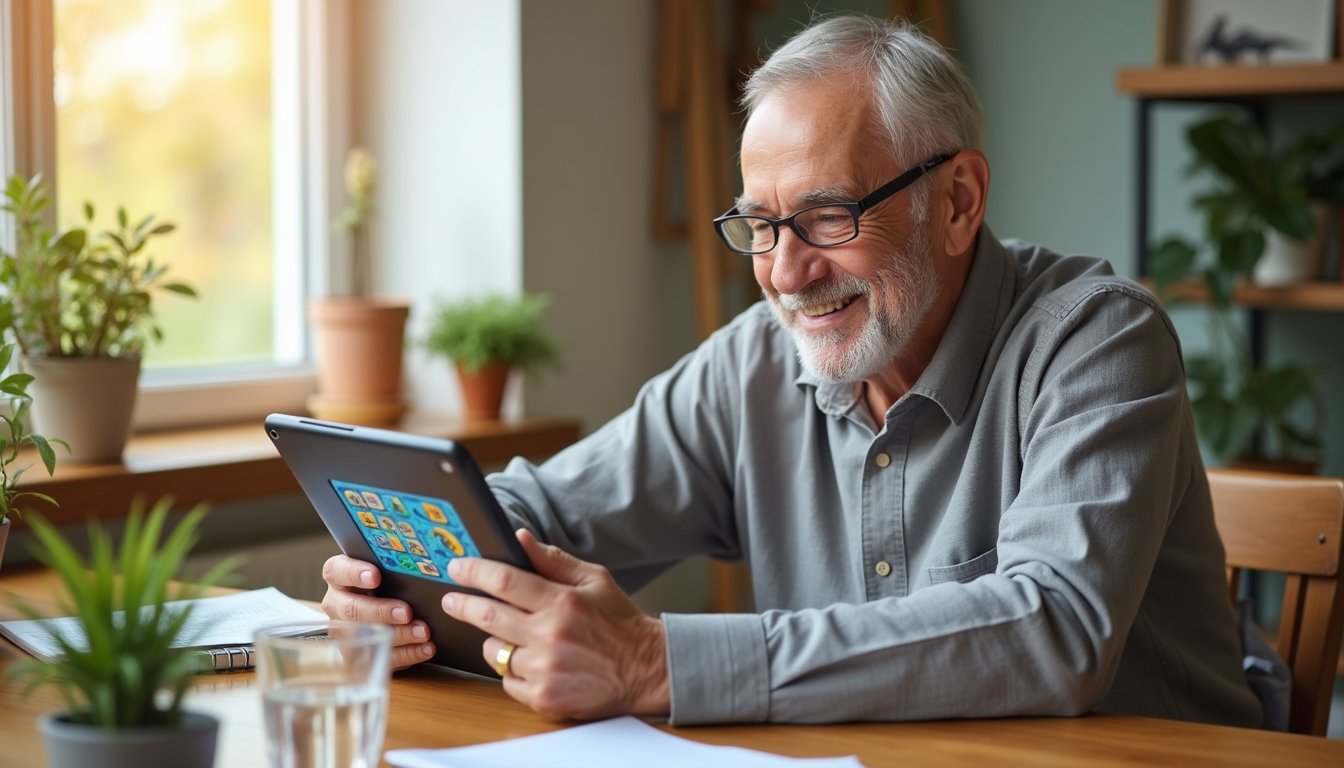
After a stroke disrupts cognitive function, structured rehabilitation programs offer evidence-based pathways to recovery through targeted exercises. You’ll benefit most from high-frequency cognitive exercises that focus on key domains like memory, attention, and executive function. These targeted training sessions should combine both retraining and adaptive approaches to maximize your recovery potential.
Computer-based cognitive training can provide engaging, personalized exercises that adjust to your performance level. When you combine these mental exercises with physical activity, such as moderate-intensity aerobic exercise at least three times per week, you’ll stimulate multiple brain regions and enhance neuroplasticity. Early intervention is essential; starting cognitive rehabilitation as soon as possible after stroke promotes better brain reorganization and functional recovery through increased cortical thickness and synaptic connections.
Creating a Supportive Home and Social Environment
Making strategic home modifications, such as installing grab bars and removing obstacles, will help you maintain independence while protecting your mental well-being during stroke recovery. Your family’s active involvement creates an essential support network that can reduce feelings of isolation and anxiety while promoting emotional resilience. Connecting with community resources and peer support groups offers valuable opportunities to share experiences, learn coping strategies, and maintain social engagement throughout your recovery journey.
Modify Spaces For Independence
Three critical home modifications can greatly improve a stroke survivor’s independence and safety: installing mobility aids, adapting functional spaces, and implementing safety-focused changes.
Research shows home modifications considerably reduce fall risks, with up to 70% of survivors experiencing falls within six months of returning home. You’ll need to prioritize accessibility improvements like grab bars, ramps, and shower seats to support daily tasks. Focus on three key areas: bathrooms (with raised toilet seats and grab bars), bedrooms (using bed rails for safe transfers), and kitchens (incorporating pull-out shelves and wheeled carts).
Don’t overlook the importance of proper lighting, slip-resistant flooring, and clear pathways throughout the home. Regular safety evaluations help guarantee modifications continue meeting evolving needs while maximizing independence and rehabilitation outcomes.
Family Support Network Benefits
While stroke recovery focuses heavily on physical rehabilitation, establishing a robust family support network proves essential for mental and emotional healing. Family engagement greatly reduces post-stroke depression, anxiety, and feelings of isolation while enhancing motivation during therapy sessions. When caregivers receive proper support and education, they’re better equipped to manage the challenges of stroke recovery without experiencing burnout.
Key benefits of strong family support networks include:
- Shared caregiving responsibilities among family members reduce individual stress
- Enhanced participation in rehabilitation exercises through family-assisted accountability
- Improved access to educational resources and specialized support services
Through caregiver empowerment and structured family involvement, you’ll create an environment that promotes both physical recovery and emotional well-being. This thorough approach leads to better rehabilitation outcomes and stronger coping strategies for everyone involved.
Community Connection Activities
Beyond family involvement, creating a robust community support system strengthens mental recovery after a stroke. Research shows that diverse social networks, including friends, neighbors, and community members, predict higher participation levels and reduced depression compared to relying solely on primary caregivers.
You’ll benefit from connecting with community organizations that provide long-term support through structured programs and volunteer services. These partnerships can help you maintain meaningful roles and address unmet needs after hospital discharge. Focus on joining group recreational activities and leisure programs, which greatly improve mental health outcomes despite common barriers like transportation limitations.
Consider working with rehabilitation specialists to modify your home environment, making it more conducive to social interaction. This combination of accessible spaces and organized community engagement helps optimize your recovery journey while preventing isolation.
Exploring Creative Arts and Leisure Activities
Since creative expression plays an essential role in stroke recovery, engaging in artistic activities offers multiple therapeutic benefits for mental healing. Art therapy, music therapy, and dance movement can greatly improve your cognitive function while reducing depression and anxiety. Through visual arts and expressive arts, you’ll develop better motor skills and find new ways to communicate, especially if you’re experiencing speech difficulties.
- Join community art groups to connect with peers who understand your journey
- Practice painting or drawing to enhance hand coordination and emotional expression
- Participate in music or dance sessions to improve body awareness and mood
You’ll find that creative activities provide both emotional relief and practical rehabilitation benefits, supporting your overall recovery while fostering meaningful social connections with others in your recovery community.
Harnessing the Power of Professional Psychological Support

Although many stroke survivors focus primarily on physical rehabilitation, professional psychological support plays an essential role in achieving ideal recovery outcomes. Research shows that NHS psychological therapy services lead to over 70% improvement in depression and anxiety symptoms among stroke survivors.
You’ll benefit most from psychological interventions when they’re tailored to your specific needs. If you’re experiencing aphasia, seek specialists who can provide adapted emotional support, as you’re at higher risk for depression. Cognitive-behavioral therapy has proven particularly effective, and you can access it through individual sessions, group therapy, or community-based programs.
Don’t hesitate to request regular psychological assessments as part of your care plan. Professional support greatly improves recovery trajectories, helping you better adjust to post-stroke changes and enhance your overall quality of life.
Integrating Dual-Task Training for Comprehensive Recovery
Professional psychological support pairs naturally with dual-task training to create a thorough stroke recovery program. Research demonstrates that combining cognitive and physical tasks yields superior outcomes compared to single-task approaches, particularly in areas of balance, gait, and mental processing. You’ll experience measurable improvements in both motor function and cognitive recovery through structured dual-task interventions.
- Practice walking while simultaneously completing mental exercises, which enhances step speed and balance while sharpening cognitive response times
- Engage in upper extremity movements paired with problem-solving tasks to improve trunk control and boost neural efficiency
- Participate in balance exercises while performing memory activities to strengthen postural control and reduce cognitive-motor interference
These evidence-based strategies produce quantifiable neurophysiological improvements, making dual-task training an essential component of your extensive stroke rehabilitation journey.
Adopting Positive Psychology Practices for Better Outcomes
Implementing positive psychology practices after a stroke can dramatically improve your recovery outcomes and overall well-being. Research shows these interventions boost psychological capital while reducing depression and fear of recurrence, with benefits extending to both you and your caregivers.
You’ll find that cultivating positive emotions through structured programs like PERMA-based interventions enhances your resilience and quality of life. The data reveals up to 35% improvement in happiness scores within three months post-stroke, regardless of your demographic background. When you maintain strong social connections and participate in dyadic interventions with your caregiver, you’ll experience greater emotional benefits and improved exercise adherence. Studies demonstrate that higher positive affect correlates with better functional outcomes and lower pain ratings, making these practices essential components of your recovery journey.
Embracing Technology-Enhanced Recovery Methods
Modern technology has revolutionized stroke rehabilitation by introducing powerful tools that enhance recovery outcomes. You’ll find significant benefits in adopting tech-based solutions that combine robotics, virtual reality, and remote monitoring capabilities. These innovations can dramatically improve your mental recovery while supporting physical rehabilitation through precise, engaging, and measurable methods.
- Use robotic-assisted devices with biofeedback integration to strengthen brain-muscle connections and achieve up to 40% improvement in daily living activities
- Engage with VR-based therapy platforms that offer immersive environments, boosting your motivation and exercise compliance to 75-95%
- Connect with therapists through telerehabilitation platforms while utilizing wearable sensors that provide continuous progress tracking and personalized adjustments to your recovery program
Integrating these technology-enhanced methods into your recovery journey can significantly accelerate your rehabilitation progress and boost your confidence in performing daily tasks.
Frequently Asked Questions
How Long Does Post-Stroke Depression Typically Last Without Treatment?
Without treatment, your post-stroke depression can last 1-2 years before potentially remitting, though the timeline varies markedly. You’ll find that approximately 50% of cases become persistent, especially if symptoms emerge within the first 3 months post-stroke. The depression duration may extend beyond 3 years in some cases. If you’re experiencing depression after a stroke, it’s more likely to become chronic than resolve on its own without intervention.
Can Stroke Survivors Safely Practice Meditation if They Have Attention Difficulties?
Yes, you can safely practice meditation with post-stroke attention difficulties when using adapted approaches. Research shows that modified mindfulness techniques and guided meditation are both safe and feasible. You’ll want to start with shorter sessions, use audio guidance, and focus on simple practices like mantra repetition to reduce cognitive load. Consider working with trained facilitators who can tailor the practice to your needs and monitor your progress.
What Role Does Genetics Play in Mental Recovery After Stroke?
Your genetic factors markedly influence your mental recovery after a stroke. Specific gene variants like BDNF val66met and APOE4 can affect your mental resilience and recovery outcomes. You’ll find that your genes interact with environmental stressors to impact your risk of post-stroke depression and PTSD. However, while genetics play an essential role, they’re not destiny – you can still benefit from tailored rehabilitation strategies and interventions designed for your genetic profile.
Are There Specific Dietary Changes That Support Psychological Healing Post-Stroke?
You’ll boost your psychological recovery after a stroke by adopting the MIND diet, which emphasizes nutrient-rich foods and omega-3 fatty acids from fish and nuts. Focus on antioxidant benefits from colorful fruits and vegetables, particularly berries. Maintain proper hydration importance throughout the day. Research suggests plant-based diets can reduce stroke-related cognitive decline by up to 50-60%. Consider working with a nutritionist to develop an individualized plan that meets your specific recovery needs.
When Is the Optimal Time to Return to Work After Stroke?
You’ll find that the ideal return timeline varies considerably based on your individual recovery. While median return-to-work time is around 90 days post-stroke, you should focus on achieving cognitive and functional readiness rather than rushing back. You’ll need workplace adjustments and thorough readiness assessments to guarantee a sustainable return. Consider that only one-third of full-time employees maintain their previous work schedule for 12 months, so prioritize gradual, supported reintegration.