
Modern rehab centers provide you with extensive mental health recovery services including evidence-based therapies like CBT, DBT, and EMDR. You’ll have access to personalized treatment plans, advanced brain therapies, and medication-assisted protocols tailored to your needs. Centers offer specialized programs for different age groups, 24/7 crisis support, and holistic wellness services like art therapy and nutritional guidance. Exploring today’s treatment options reveals an integrated system of cutting-edge care solutions.
Comprehensive Mental Health Treatment Options

When seeking mental health recovery services, you’ll find that modern rehabilitation centers offer an extensive array of evidence-based treatment options designed to address complex psychiatric conditions. Through state-of-the-art diagnostic evaluations and integrated assessments, multidisciplinary teams work to identify your specific needs and create personalized care plans. Comprehensive treatment plans incorporate evidence-based therapies like CBT, DBT, and EMDR to promote lasting healing and recovery. Due to ongoing security measures, some online treatment resources may have temporary access restrictions to protect patient data.
You’ll benefit from thorough intake screenings that detect dual diagnoses and medical comorbidities, ensuring your treatment addresses all aspects of your mental health. Advanced diagnostic tools and neuropsychological assessments inform your individualized therapy program, while ongoing progress monitoring allows for real-time adjustments to optimize your recovery. Many facilities incorporate cutting-edge brain therapies including neurofeedback and TMS to enhance treatment outcomes. For professionals, executive programs provide customized evaluation options with flexible scheduling and private accommodations, maintaining both confidentiality and comfort throughout your treatment journey.
Evidence-Based Therapeutic Approaches
Modern rehabilitation centers embrace a diverse portfolio of evidence-based therapeutic approaches, each validated through rigorous clinical research and real-world outcomes. You’ll find core evidence-based modalities like CBT, which helps restructure negative thought patterns, alongside MAT protocols that combine FDA-approved medications with counseling for ideal recovery outcomes. Treatment specialists create tailored recovery plans that adapt to each patient’s unique circumstances. Virtual platforms enable access to treatment services for those in remote locations or unable to attend in-person sessions.
These programs emphasize holistic wellness services through yoga, art therapy, and nutritional guidance. Therapeutic innovations now include trauma-informed care, recognizing trauma’s essential role in addiction and mental health. You’ll benefit from motivational interviewing techniques that build your internal drive for sustained recovery. In select facilities, emerging psychedelic-assisted therapy offers promising results for psychological healing under careful medical supervision. These approaches aren’t used in isolation – they’re strategically combined to create thorough treatment plans that address your specific needs and maximize your chances of successful recovery.
Specialized Programs for Diverse Populations
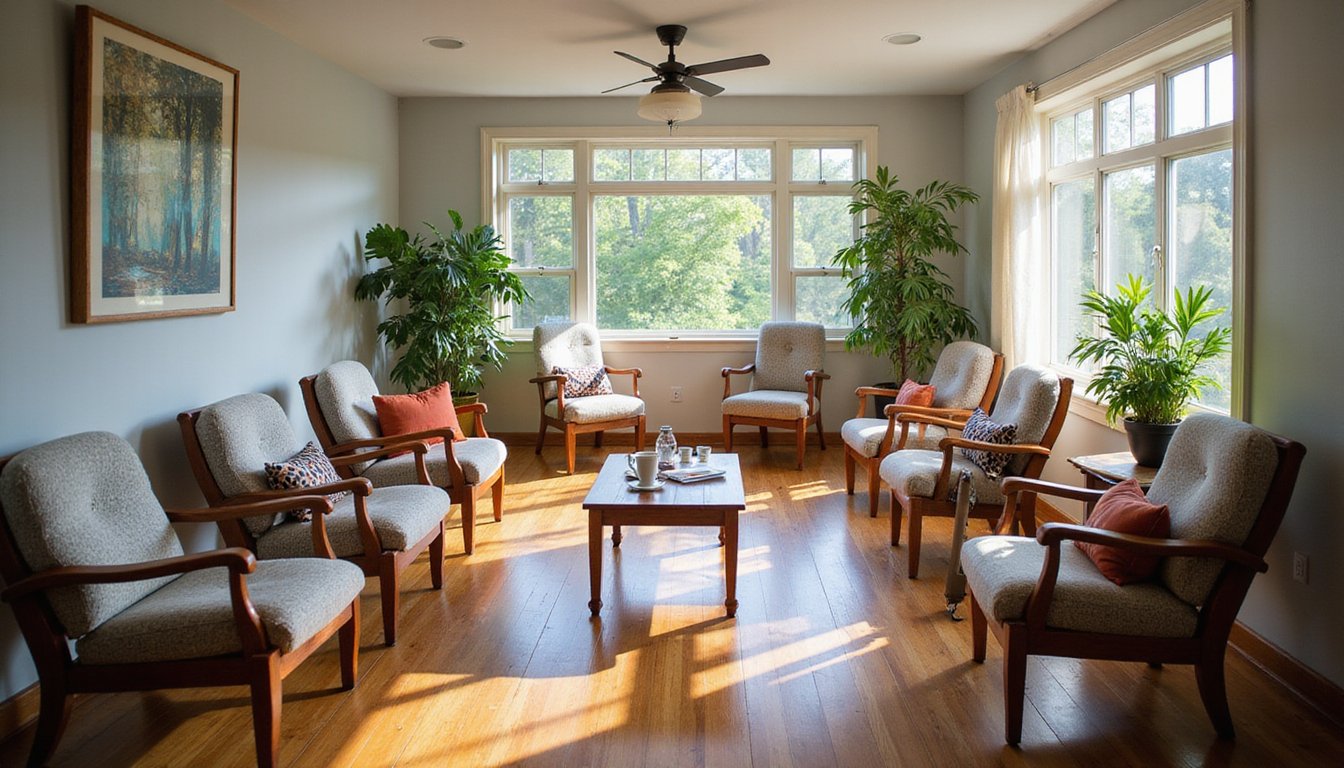
Diversity in mental health needs demands specialized treatment programs tailored to specific populations. You’ll find thorough tracks designed for distinct age groups, from children as young as 6 to older adults, each addressing developmentally appropriate challenges and recovery goals.
Military members and first responders receive specialized trauma-informed care focusing on PTSD and service-related issues, while young adults (18-25) benefit from programs emphasizing independence and vocational skills. Culturally responsive care guarantees treatment aligns with diverse racial and ethnic backgrounds, while LGBTQ+ support provides affirming counseling and identity validation. Professional tracks offer discrete support for career-sensitive cases, and older adult programs address aging-specific challenges. Evidence-based care begins with comprehensive assessments to create individualized treatment plans. Treatment options include inpatient and residential care programs to match varying levels of support needed. Each specialized track incorporates family involvement, shift planning, and community integration to support lasting recovery.
Medication-Assisted Treatment Services
Medication-Assisted Treatment (MAT) represents a broad approach that combines FDA-approved medications with behavioral therapies to address substance use disorders. You’ll find detailed opioid treatment programs that offer methadone, buprenorphine, and naltrexone alongside essential counseling and support services.
Due to security measures, access to certain online treatment resources may be temporarily restricted to protect patient information. Your medication management options include specific medications tailored to your needs. For opioid use disorder, you can access treatments through certified clinics or office-based settings. If you’re dealing with alcohol use disorder, medications like acamprosate and disulfiram are available to support your recovery. With the Administration for a Healthy America restructuring, these treatment services are now operating under new federal oversight.
You’ll receive a thorough assessment to determine your appropriate treatment plan, which may include medical detoxification before starting MAT. The program integrates behavioral therapy, case management, and peer support services to guarantee you’re receiving well-rounded care throughout your recovery journey.
Crisis Intervention and Emergency Support

When experiencing a mental health crisis, you’ll find extensive emergency support services available 24/7 through rehabilitation centers’ crisis intervention programs. These programs deliver immediate assistance through crisis hotline support and mobile crisis intervention teams that come directly to your location. You’ll receive rapid assessment, stabilization, and connection to appropriate care levels without insurance requirements or prior referrals. The innovative approach by Recovery Innovations specialists ensures comprehensive crisis management based on decades of behavioral healthcare expertise. Services are provided in least restrictive settings to maintain patient dignity and comfort while receiving care. The CARES Hotline provides round-the-clock crisis support every day of the year for both Medicaid and non-Medicaid individuals.
- Walk-in crisis facilities provide immediate risk evaluation and short-term observation
- Mobile response teams offer on-site de-escalation and assessment at homes or community locations
- Crisis residential services include up to 30-day stays with daily therapy and skill development
- Post-crisis support connects you to community resources, medication management, and ongoing care for up to 90 days
These thorough services guarantee you receive prompt, professional intervention during mental health emergencies.
Holistic Recovery and Wellness Programs
Beyond crisis intervention, thorough mental health recovery involves a multifaceted approach to healing through holistic wellness programs. You’ll find integrated therapies that combine traditional treatment with evidence-based holistic practices, including art therapy, mindfulness activities, and outdoor adventure programs. These approaches strengthen your emotional resilience while fostering connection with nature. To maintain program integrity, facilities implement security measures that protect patient data and privacy. Treatment specialists provide individual therapy sessions to support personalized recovery goals.
Your recovery journey incorporates physical wellness through personal training, nutritional counseling, and chef-prepared balanced meals. The program emphasizes treating the whole person’s needs through comprehensive care strategies. Mind-body healing options include yoga, tai chi, and equine-assisted psychotherapy, while spiritual growth is supported through meditation and energy work. You’ll access these services through personalized treatment plans that synchronize mental health care with addiction recovery. Leading centers integrate these holistic practices with conventional medical treatments, ensuring thorough care that’s supported by insurance navigation teams.
Family Support and Integration Services
Parent-child therapy programs offer specialized interventions to repair attachment bonds and establish healthy communication patterns between parents in recovery and their children. You’ll find multi-family support groups that create safe spaces for families to share experiences, learn from each other, and develop collective coping strategies. These evidence-based family services integrate CRAFT methodologies and trauma-informed approaches to strengthen family systems and promote sustainable recovery outcomes.
Parent-Child Therapy Programs
Through innovative residential treatment models, modern rehabilitation centers now offer extensive parent-child therapy programs that allow families to stay together during recovery. These programs integrate evidence-based therapeutic techniques like Parent-Child Interaction Therapy (PCIT) with thorough support services, focusing on parent bonding and behavioral health outcomes.
- Real-time coaching sessions with therapists help you master positive parenting strategies, reducing disruptive behaviors in children ages 2-7
- Individualized treatment plans combine substance use counseling, parenting skills training, and child development education
- Wraparound services include employment readiness, childcare, and transportation support to guarantee program completion
- Research shows these integrated programs achieve up to 81% completion rates, significantly higher than traditional treatment approaches, while strengthening family stability and reducing trauma from separation
Multi-Family Support Groups
Modern rehabilitation centers recognize that addiction recovery succeeds best within a network of family support, which is why multi-family support groups have become a cornerstone of extensive treatment programs. You’ll find these groups available in virtual, hybrid, and in-person formats, led by licensed counselors specializing in family dynamics and addiction recovery.
The evidence-based approach focuses on strengthening accountability while teaching essential skills like communication, boundary-setting, and relapse prevention. You’ll participate in regular sessions that combine education about substance use disorders with practical life skills training. Studies show that active family involvement considerably improves treatment retention and reduces relapse rates.
These groups create stigma-free environments where you can connect with other families, share experiences, and build lasting support networks through peer mentorship and continuing care meetings.
Technology-Enhanced Treatment Solutions
Technology-enhanced treatment solutions represent three crucial advances in mental health rehabilitation: AI-powered systems, immersive therapies, and digital monitoring tools. You’ll now find cutting-edge AI integration that provides 24/7 support through intelligent chatbots and personalized treatment planning. Virtual Reality platforms deliver controlled exposure therapy for PTSD and anxiety, while wearable devices track your essential signs and stress levels in real-time.
- AI-powered therapy assistants offer immediate response and customized interventions based on your unique profile
- VR environments create safe, immersive spaces for practicing coping skills and mindfulness techniques
- Wearable monitors provide continuous tracking of your mental health indicators
- Digital therapeutics apps deliver CBT exercises and mood tracking accessible from your smartphone
These evidence-based technologies enhance traditional therapy methods while improving treatment engagement and outcomes.
Recovery Housing and Aftercare Services
Recent federal policies have transformed recovery housing into a cornerstone of post-rehabilitation care, with evidence showing substantial benefits for long-term sobriety and psychosocial functioning.
You’ll find compelling evidence for recovery housing benefits in clinical studies, with one trial revealing 50% drug abstinence rates at six months compared to 13% in standard aftercare. When you stay in recovery housing for six months or longer, you’re more likely to maintain employment, strengthen family relationships, and avoid relapse.
The aftercare effectiveness stems from structured environments that combine peer support, accountability, and extensive services. You’ll have access to job training, mental health services, and case management through new federal funding streams that support over 10,000 locations nationwide. These integrated support systems consistently prove vital for sustaining long-term recovery outcomes.
Frequently Asked Questions
How Long Does Insurance Typically Cover Mental Health Rehabilitation Stays?
Your coverage duration varies by insurance type. Most private plans offer 30-60 days per benefit year, while Medicare provides up to 190 lifetime days for psychiatric hospital stays. Medicaid’s coverage limits typically range from 15-30 days, requiring reviews for extensions. Due to federal parity laws, your insurance can’t impose stricter coverage limits on mental health stays than medical stays, and many plans must match mental health coverage to their medical/surgical benefits.
What Percentage of Patients Successfully Complete Their Recommended Treatment Programs?
You’ll find that treatment success rates vary considerably, with 40-60% of patients successfully completing standard mental health rehabilitation programs. Patient compliance tends to be higher in clinical trial settings, reaching 60-80%. For serious mental illness, about 66.7% of patients receive treatment, though not all complete the full program. You should note that completion rates improve in structured, individualized programs but drop considerably for substance use treatment, where only 19.3% receive recommended care.
Can I Continue Working While Attending Outpatient Mental Health Rehabilitation?
Yes, you can absolutely continue working while attending outpatient mental health rehabilitation. Modern programs offer extensive outpatient flexibility, with evening sessions, weekend appointments, and virtual options designed to support your work-life balance. You’re protected by ADA and FMLA laws while seeking treatment, and most facilities offer services between 6-9 PM to accommodate your work schedule. Research shows that maintaining employment during treatment often leads to better recovery outcomes.
Are There Age Restrictions for Accessing Mental Health Rehabilitation Services?
Yes, your age eligibility affects service access to mental health rehabilitation. You’ll typically need to be 18+ for adult programs, while specialized adolescent programs serve ages 12-17. If you’re a senior (55+ or 65+), you can access older adult programs tailored to your needs. For children under 12, you’ll generally need pediatric mental health services through hospitals. Your access also depends on state regulations, insurance requirements, and parental consent if you’re a minor.
How Frequently Can Someone Re-Enter Rehabilitation if They Experience Relapse?
You can re-enter rehabilitation as often as clinically necessary, as there’s no universal cap on readmissions. Most facilities recognize relapse as a normal part of recovery and won’t deny treatment based on previous attempts. While private insurance may limit annual coverage, state-funded programs typically offer more flexibility. Your treatment team will adjust your relapse prevention strategies and recovery planning with each admission to better address your specific triggers and challenges.